
How to Find the Best Robotics Technician in China?
Finding the right robotics technician in China takes more than comparing résumés or hourly rates. The role may involve installing robotic arms, checking sensors, tracing wiring faults, and documenting maintenance on a busy factory floor. A strong candidate should explain how they diagnose a recurring stoppage—not just claim they can fix it. Ask about hands-on experience with the equipment your operation uses, relevant training, safety procedures, and clear service records. Small details matter. Can they identify a loose connector? Can they describe why a sensor gave inconsistent readings? These answers reveal practical judgment.
Joseph Engelberger, widely regarded as a pioneer of industrial robotics, is often credited with the line, “I can’t define a robot, but I know one when I see one.” For hiring, the lesson is less about labels and more about evidence: look for demonstrated skill around real machines. In China, compare candidates against your site’s language needs, production environment, response expectations, and equipment requirements. Verify qualifications and references directly, and use a practical assessment suited to the work. A polished interview is not proof. Nor is a long list of brands. This guide will outline how to define the job, assess technical ability, evaluate communication, and choose a robotics technician whose experience fits your operation. Hiring can still involve uncertainty. A careful process reduces it, but cannot erase it.
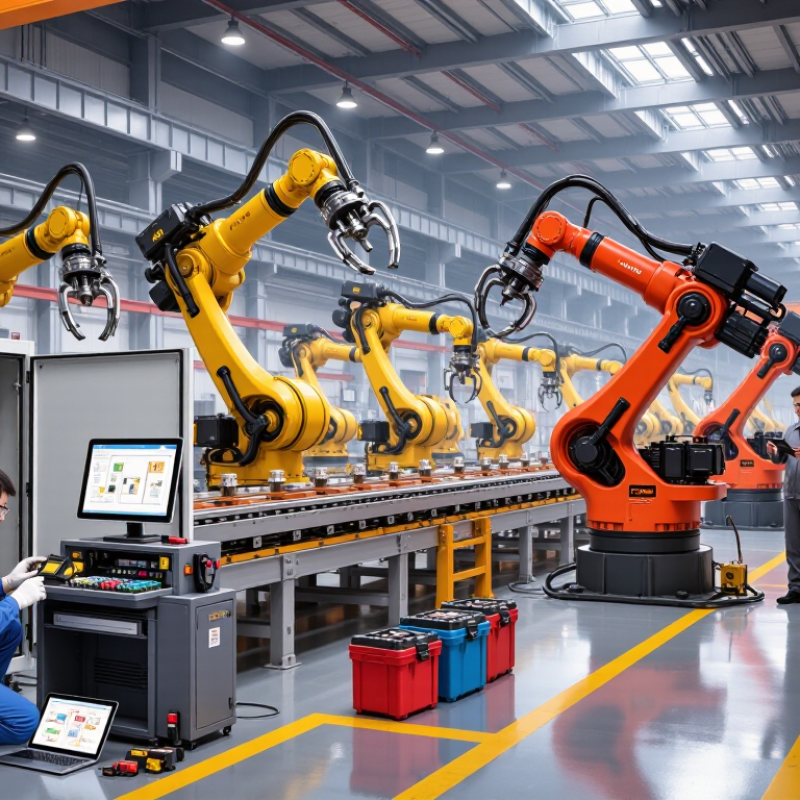
Understanding the Role of a Robotics Technician in China
A robotics technician in China does more than install a robot arm. The role connects mechanical systems, electrical controls, software, and production staff. Technicians calibrate joints, test sensors, adjust end-effectors, and diagnose PLC or machine-vision faults. They may also document changes in Mandarin and English. Clear records matter during shift handovers.
The demand is substantial. The International Federation of Robotics reported 276,288 industrial robot installations in China during 2023, representing about 51% of global installations. Its World Robotics 2024 report also recorded 470 robots per 10,000 manufacturing employees in China. These figures suggest that technicians need factory experience, not only classroom training. Ask candidates to explain a real commissioning task, including the fault, testing method, and final adjustment.
Watch the practical details. Can the technician isolate power safely before opening a control cabinet? Can they read electrical drawings and trace a failed proximity sensor? Do they understand preventive maintenance, spare-parts planning, and production pressure? Good answers should include measurements, not vague confidence.
Communication is equally important. A technician may train operators, report downtime, and coordinate with engineers across several shifts. Short simulations reveal more than certificates. Give the candidate a sensor fault or calibration drift. Let them think aloud.
No candidate is perfect. I would still examine their weak areas, especially documentation habits and safety judgment. Hiring only for speed can create expensive mistakes later.
How to Find the Best Robotics Technician in China? – Understanding the Role of a Robotics Technician in China
Suggested hiring scorecard: adjust the weightings to suit the robot type, production process, and responsibilities of the role.
| Assessment dimension | Suggested weight | What to assess | Evidence of a strong candidate |
|---|---|---|---|
| Robot operation and setup | 20% | Safe jogging, coordinate systems, tool and work-frame setup, program checks, and recovery from routine stops. | Explains each step, checks the work area and tooling, and verifies the program before resuming production. |
| Fault diagnosis | 20% | Use of alarms, status indicators, electrical drawings, and a step-by-step process to isolate faults. | Distinguishes symptoms from likely causes and confirms the repair with a controlled test. |
| Electrical and controls knowledge | 15% | Ability to read electrical schematics and work with relevant sensors, safety circuits, I/O, and PLC-controlled equipment. | Uses drawings and diagnostic tools methodically; understands the limits of their authorization and training. |
| Safety and risk awareness | 15% | Awareness of guarding, emergency stops, interlocks, safe access, and site procedures for hazardous energy. | Prioritizes isolation and approved procedures before maintenance; never bypasses safeguards to save time. |
| Preventive maintenance | 10% | Routine inspection, cleaning, lubrication where specified, cable and connector checks, and maintenance records. | Follows the equipment maintenance schedule and records findings, actions, and unresolved issues clearly. |
| Production-line integration | 10% | Understanding of how the robot interacts with fixtures, end effectors, sensors, conveyors, and upstream or downstream equipment. | Checks the whole cell and handshakes rather than treating every stoppage as a robot-only problem. |
| Documentation and shift handover | 5% | Accuracy of fault logs, maintenance records, work instructions, and handover notes. | Records the fault, checks performed, parts or settings changed, and follow-up required. |
| Workplace communication | 5% | Communication with production, maintenance, and engineering teams; language needs depend on the site and role. | Can communicate effectively in the languages needed for local shift handovers, technical documents, or customer support. |
| Total | 100% | Use the same job-relevant questions and practical assessment criteria for every candidate. | |
Related Posts
-
What is Robot Parts? A Comprehensive Guide to Components and Their Uses in Robotics
-
2026 How to Choose the Best Robot Parts for Your Projects?
-

Top 10 Essential Robot Parts for Global Buyers?
-

How to Buy Robot Parts for Your Projects Efficiently?
-
Essential Tips for Sourcing Quality Robot Parts Globally?
-
2026 Top Robot Parts Types for Global Buyers?