Essential Tips for Sourcing Quality Robot Parts Globally?
Sourcing quality robot parts is crucial for any engineering project. For manufacturers, finding reliable suppliers can be challenging. The global market offers a wide variety of parts, but quality can vary significantly. Understanding how to navigate this landscape is essential.
When searching for robot parts, consider the reputation of the supplier. Reviews and testimonials from previous clients can provide insight into their reliability. Engaging with communities and forums can also offer valuable recommendations. Make sure to ask questions regarding product origin and manufacturing processes.
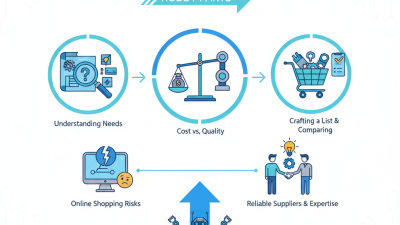
It’s important to remember that not all deals are the best. Price often reflects quality. Cheaper parts may lead to failures and costly repairs later. Conduct thorough research before making a purchase. This approach can save both time and resources while ensuring you receive high-quality robot parts.
Understanding the Global Market for Robot Parts
The global market for robot parts has shown remarkable growth. According to industry reports, the market could reach over $70 billion by 2025. This expansion highlights the increasing demand for robotics across various sectors, including manufacturing, healthcare, and logistics. Understanding this market requires an awareness of regional dynamics as different areas exhibit unique strengths and weaknesses.
Networking with reliable suppliers is crucial. Ensuring that your sources adhere to quality standards can mitigate risks associated with defective components. Reports show that approximately 30% of companies experience delays due to sourcing problems. This figure highlights the importance of solid relationships and clear communication with suppliers. The ongoing shift towards automation creates pressure on manufacturers to deliver high-quality parts consistently.
Cost competitiveness is essential. Many companies search for the best prices, but quality should never be compromised. A study revealed that purchasing cheap parts often leads to increased maintenance costs. This trade-off can damage reputations and affect overall project timelines. Making informed choices requires careful assessment of supplier capabilities and product certifications. The market is full of options, and not all are equally reliable. Investing time in research can pay dividends in the long run.
Global Robot Parts Market Overview
Identifying Reliable Suppliers and Manufacturers
Identifying reliable suppliers and manufacturers in the robot parts industry is crucial. A 2023 report from the International Federation of Robotics indicates that global demand for automation components is projected to grow by 12% annually. This trend emphasizes the importance of sourcing quality parts from trustworthy vendors.
Start by evaluating the supplier’s credentials. Look for certifications that confirm their quality management systems, such as ISO 9001. Many suppliers publish their certifications on their websites. It is also beneficial to check their production capabilities. Consider the scale and technology used in their manufacturing processes. A supplier with advanced robotic machinery may be more reliable in delivering precise and durable parts.
Engage in direct communication with potential partners. Ask for references from previous clients. Insights from existing customers can highlight the supplier’s reliability and consistency. Be cautious of suppliers that promise too much without substantial evidence. Trust your instincts; if something seems off, it may require further investigation. The stakes are high in automation, and the cost of subpar components can outweigh any initial savings.
Evaluating Quality Standards and Certifications
When sourcing robot parts globally, evaluating quality standards and certifications is crucial. Understanding these aspects can help ensure you are receiving reliable components. Different regions may have varying certifications, reflecting their adherence to specific safety and performance standards. For instance, ISO certifications indicate a commitment to quality management. However, the meanings of these certifications can be ambiguous. A certification from one country may not hold the same weight in another.
Also, consider the quality control processes of your suppliers. Ask for details about their testing procedures. Regular inspections and audits can enhance trust. However, be wary of companies that offer vague answers or avoid the topic. Requesting documentation on compliance might reveal a supplier's reliability. Some suppliers could possess certifications but still deliver subpar products. Thus, vetting is essential.
Engaging with industry experts can provide deeper insights into these certifications. They can help interpret the nuances that manufacturers might overlook. Yet, even expert assessments may carry biases, influenced by personal connections or experiences. A reflective approach is needed to critically assess all information before making decisions. Quality sourcing is a journey of discovery and learning.
Negotiating Terms and Pricing effectively
Negotiating terms and pricing for robot parts requires a strategic approach. Start by doing thorough research on market rates. Understand the average price for specific components. This knowledge empowers you during discussions. It helps establish a fair baseline, fostering confidence.
Building rapport with suppliers is essential. Treat negotiation as a partnership rather than a transaction. Share your vision and objectives. This often leads to more favorable terms. Don't rush; take the time to listen to their needs too. It’s a two-way street.
Be prepared for counteroffers. Sometimes, suppliers may not meet your initial price. Reflect on your flexibility. Consider alternative solutions, like bulk purchasing or long-term agreements. This can enhance your negotiating position. Each interaction is a chance to learn and refine your approach. Experience will guide you over time.
Ensuring Compliance with Import Regulations and Policies
When sourcing robot parts globally, compliance with import regulations is crucial. Each country has specific rules that govern the importation of goods. Missing these regulations can lead to significant delays or financial losses. Researching these rules before making a purchase can prevent compliance issues. Understanding tariff classifications is essential. These determine potential duties and taxes, impacting the total cost.
Documentation is another critical aspect. Proper paperwork ensures smooth customs clearance. Missing or incorrect documents will hold up shipments. Manufacturers should provide certifications to confirm their parts meet relevant safety and quality standards. Be sure to keep all import licenses, invoices, and customs declarations organized.
Navigating this complex landscape may feel overwhelming. It's easy to overlook small details while focusing on product quality. Take time to review regulations and seek expert advice if needed. Engaging with customs brokers can be a wise choice. They can offer specialized knowledge that saves time and avoids pitfalls. As you refine your sourcing strategy, consider these elements for a more streamlined approach.
Essential Tips for Sourcing Quality Robot Parts Globally
| Dimension |
Data |
| Country of Sourcing |
Germany |
| Compliance Standards |
ISO 9001 |
| Import Duty Rate |
5% |
| Available Payment Options |
Bank Transfer, PayPal |
| Lead Time for Orders |
4-6 Weeks |
| Quality Assurance Process |
5-Step Inspection |
| Shipping Terms |
Incoterms 2020 |
| Warranty Period |
12 Months |