Top 10 Robot Parts You Need for Efficient Automation?
In today's rapidly evolving industrial landscape, the need for efficient automation has become vital. One key to achieving this is understanding the essential robot parts that drive performance. High-quality robot parts are the backbone of any automated system. They enhance efficiency, reduce errors, and ensure reliability in operations.
Choosing the right robot parts can be daunting. With so many options available, it’s easy to feel overwhelmed. Each component plays a unique role in the workflow, from sensors that detect changes in the environment to motors that perform precise movements. Ignoring any aspect can lead to inefficiencies and costly downtimes.
Consider the impact of subpar robot parts on your automation goals. A single malfunctioning component can disrupt operations, causing cascading failures. Investing in quality parts is more than just a technical choice; it is a strategic move for long-term success. Ensuring the right mix of components not only enhances productivity but also extends the lifespan of your robotics systems.
Essential Components of Robotic Systems for Automation
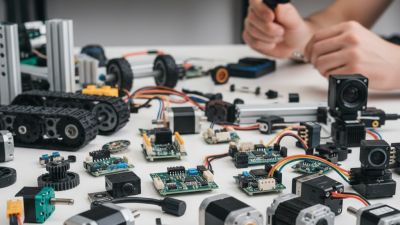
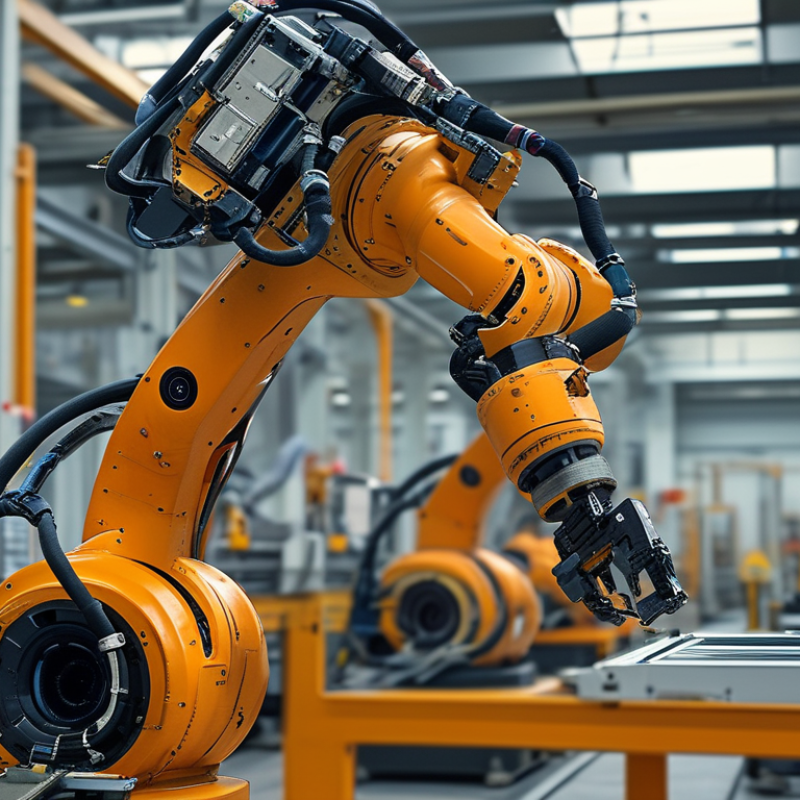
In the realm of automation, the components of robotic systems play a crucial role. Fundamental parts include sensors, actuators, and controllers. Sensors collect environmental data, allowing robots to make informed decisions. Actuators, on the other hand, convert this data into physical motion. Controllers orchestrate these elements, ensuring seamless communication within the system.
Every designer should consider the integration of these parts to achieve efficiency. For instance, choosing the right type of sensor can significantly impact performance. Proximity sensors can detect obstacles, but their range can be limiting. An infrared sensor may provide longer detection distances but might not work in bright conditions. Assessing the specific use case is critical.
It's important to remember that no automated system is perfect. For example, if the controller fails, the whole system may stop responding. Regular testing and maintenance are necessary to identify potential issues early. Designing with flexibility in mind can lead to better adaptability in unexpected situations. Balancing reliability with innovation remains a challenge. Every decision affects the overall functionality and efficiency of the automated process.
Top 10 Robot Parts for Efficient Automation
The Role of Sensors in Enhancing Robot Performance
Sensors play a crucial role in robot performance. They enhance automation efficiency by providing data about the environment. According to a report by MarketsandMarkets, the global sensor market is expected to reach over $300 billion by 2026. This growth highlights their importance in robotic systems.
Different types of sensors—such as proximity, vision, and temperature—allow robots to interact effectively. For instance, vision sensors enable robots to identify and differentiate objects. This capability is essential in manufacturing lines for quality control. However, reliance on sensors can lead to challenges. Environmental factors can affect sensor accuracy, resulting in costly errors.
Integrating sensors into robots requires careful consideration. Sensor fusion, which combines data from multiple sensors, improves decision-making reliability. Yet, implementing this technology can be complex and costly. Engineers must continually assess how sensor performance can optimize tasks while addressing potential drawbacks. Balancing accuracy with cost remains a critical challenge in advanced automation solutions.
Key Actuators for Precise Robot Movement and Control
When it comes to automating tasks, selecting the right actuators is crucial for precise robot movement and control. Different applications demand specific actuator types. For instance, linear actuators are ideal for straightforward, linear motions. They excel in tasks that require pushing or pulling with accuracy. In contrast, servo motors offer great precision for rotational movements. They are essential for robotics that involve intricate maneuvers.
Hydraulic actuators provide remarkable force and are beneficial for heavy-duty applications. Their strength, however, comes with challenges. They require careful maintenance and can experience leaks. This can lead to efficiency issues in high-demand environments. Electric actuators are another popular choice. They are often simpler to control and maintain but may lack the power needed for larger operations.
In an efficient automation setup, understanding actuator choices is significant. The effectiveness of the entire system depends on these components. Thus, navigating trade-offs is essential. Not every actuator will fit every situation. It's vital to assess specific needs and environmental conditions to achieve optimal results. Careful consideration helps engineers avoid pitfalls that may arise from mismatched automation technologies.
Top 10 Robot Parts You Need for Efficient Automation
| Part Name |
Function |
Type |
Recommended Specifications |
| Servo Motor |
Provides precise control of angular position |
Electric |
Torque: 1.5 Nm, Speed: 300 RPM |
| DC Motor |
Used for linear movement |
Electric |
Power: 12V, RPM: 5000 |
| Stepper Motor |
Facilitates precise control for positioning |
Electric |
Steps: 200, Holding Torque: 0.5 Nm |
| Linear Actuator |
Converts rotational motion to linear motion |
Electric |
Load Capacity: 500N, Stroke Length: 100mm |
| Pneumatic Actuator |
Moves based on air pressure |
Pneumatic |
Pressure: 6 bar, Stroke Length: 200mm |
| Grippers |
Used for grasping and manipulating objects |
Mechanical |
Grip Force: 10N, Opening Width: 50mm |
| Sensors |
Provide feedback on surroundings |
Electromagnetic |
Range: 20m, Accuracy: ±1% |
| Controller |
Manages robot operations and processes |
Microcontroller |
Clock Speed: 16 MHz, Memory: 32 KB |
| Power Supply |
Supplies power to all components |
Electrical |
Input Voltage: 24V, Output Current: 5A |
Importance of Power Supply Systems in Robotics Functionality
Power supply systems are at the heart of any robotic application. They ensure that all components receive the necessary energy to function efficiently. In robotics, reliability and stability of the power supply are crucial. Fluctuations in power can lead to malfunctions and reduced performance. This can cause delays in automation processes, or worse, damage to sensitive electronic components.
A well-designed power supply system not only powers motors and sensors but also helps in managing energy distribution. It is important to size the system correctly for your application. Under-sizing can lead to inadequate power, causing systems to halt. Over-sizing, however, can waste energy and elevate costs. Understanding your robot's demands is essential.
One common challenge is the integration of power supply with other components. Often, this is overlooked, leading to inefficient setups. Proper circuitry is required to minimize energy loss. Furthermore, monitoring systems can help detect issues in real time. Reflection on these aspects can unveil vulnerabilities in your automation strategy. It reminds us that good design goes beyond just selecting parts; it involves a holistic approach to functionality and reliability.
Integrating Controllers for Seamless Operation of Automated Robots
Integrating controllers is a pivotal aspect of automated robotics. These devices enable seamless communication between various parts of a robot. By utilizing advanced algorithms, controllers optimize robot performance and enhance adaptability. According to a report by the International Federation of Robotics, 90% of companies experience increased productivity post-automation thanks to effective controller integration. Choosing the right controller impacts the overall efficiency and reliability of automation solutions.
Regularly updating your controller software can significantly improve functionality. Without updates, systems may lag and become inefficient. Incorporating predictive analytics in controllers helps in preempting failures, thus maintaining optimal operation. Research shows that predictive maintenance can reduce downtime by up to 25%. Ensuring that controllers are well-integrated with other components like sensors and actuators is essential for a cohesive system.
Understanding your operational needs can guide controller selection. Not all controllers suit every application. Complex tasks may require more advanced controllers, while simpler processes can thrive on basic models. Maintaining an adaptable architecture is crucial for evolving automation landscapes. Balancing technology with real-world demand helps in developing reliable robotic solutions.