
What Is Long Windows and Why Do Buyers Choose It?
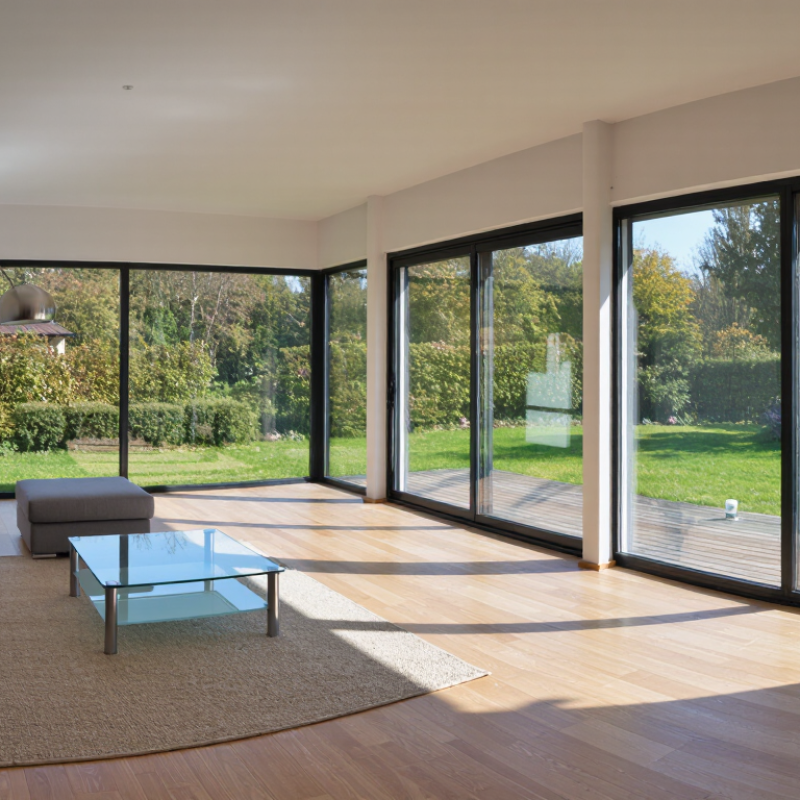
Long Windows are becoming a noticeable choice for homeowners seeking stronger daylight, broader views, and a more open interior atmosphere. In this article, the term refers to elongated window designs, including tall, wide, and floor-to-ceiling formats. Their appeal is easy to understand. A long pane can frame a garden like a quiet picture. It can also make a narrow room feel less enclosed.
Architectural authority Le Corbusier wrote, “The history of architecture is the history of the struggle for light.” His observation remains relevant when buyers compare Long Windows with smaller standard units. However, appearance is only one part of the decision. Buyers also need to examine glass performance, frame strength, air sealing, solar heat gain, ventilation, and installation quality. A beautiful window can still create discomfort if it faces intense afternoon sun.
Details matter.
Experienced installers often inspect wall structure before recommending large glazing. They consider load paths, flashing, drainage, and local weather exposure. These practical checks protect the home from leaks and unwanted heat loss. Energy-efficient glazing may improve comfort, but it can raise the purchase price. Maintenance can also be overlooked, especially when upper sections are difficult to reach.
Long Windows are not automatically the best choice for every property. Privacy, furniture placement, cleaning access, and neighborhood views may limit their value. Sometimes, a smaller opening performs better. That tension deserves honest attention. This guide explores why buyers choose Long Windows, what benefits they expect, and which compromises should be considered before ordering.
Definition and Main Features of Long Windows
Long windows are window units with one dimension much longer than the other. They may stretch horizontally across a wall or rise vertically beside a staircase. The term is practical, not always a strict industry classification. In building discussions, it usually describes an elongated glazed opening that brings light across a broad interior area.
The main feature is visual reach. A long window can frame a garden, skyline, or courtyard like a continuous picture. It also spreads daylight deeper along the room. Fixed panels often provide the clearest view, while sliding or awning sections can support ventilation. Frame strength matters because larger glass areas create greater weight and wind pressure. Good designs divide the opening into manageable sections without losing a clean appearance.
Glass selection is equally important. Double glazing can improve insulation, while low-emissivity coatings may reduce unwanted heat gain. In sunny rooms, exterior shading often works better than curtains alone. Measurements should include wall structure, drainage, sill height, and opening direction. A beautiful long window can still cause glare or furniture problems. That is easy to overlook.
From practical installation checks, alignment and water sealing deserve close attention. Small errors may create drafts, rattling, or moisture marks after heavy rain. Energy performance also depends on the frame, edge seals, and installation quality, not glass alone. Buyers should compare tested specifications and local climate needs rather than rely on appearance. The label sounds simple. The details are not.
What Is Long Windows and Why Do Buyers Choose It? - Definition and Main Features of Long Windows
| Feature | Definition and Typical Data | Why Buyers Choose It | Important Considerations |
|---|---|---|---|
| Basic Definition | A long window is a horizontally proportioned window whose width is noticeably greater than its height. It may be installed as one continuous unit or as several connected window sections. | Creates a broad, uninterrupted view while adding a strong horizontal architectural feature to the building exterior. | The opening must be coordinated with wall structure, lintels, mullions, and the surrounding façade design. |
| Typical Proportions | Common designs use a width-to-height ratio of approximately 2:1 to 5:1, although the final proportion depends on the frame system, glass size, and structural requirements. | Offers a wider sightline than a standard square or vertically oriented window. | Very wide units may require intermediate mullions or multiple glazed panels to control deflection and handling weight. |
| Available Configurations | Can be fixed, sliding, folding, top-hung, side-hung, awning-style, or combined with smaller opening sections for ventilation. | Allows buyers to match the window with requirements for views, airflow, access, and cleaning. | Opening configurations generally require more hardware, seals, and maintenance than fixed glazing. |
| Natural Light | The extended horizontal glazing area can distribute daylight across a wide section of a room, particularly when positioned near eye level or above work surfaces. | Reduces the need for artificial lighting during daylight hours and makes interior spaces feel more open. | Glazing orientation, exterior shading, room depth, and nearby buildings affect the actual daylight performance. |
| Exterior Views | The wide format provides a panoramic or extended horizontal field of view, especially when narrow frames and large glass panels are used. | Works well in living rooms, dining areas, offices, hospitality spaces, and rooms facing gardens or landscapes. | Frame sightlines, mullions, furniture placement, and privacy requirements can reduce the effective viewing area. |
| Ventilation | Ventilation depends on the number and size of operable sections. Fixed long windows provide daylight and views but do not provide natural airflow. | Operable sections can support cross-ventilation and allow users to control indoor air movement. | The opening area should be selected according to room use, local building regulations, safety needs, and insect-screen requirements. |
| Frame Materials | Common frame materials include aluminium, uPVC, timber, and composite systems. Each material differs in thermal performance, maintenance, appearance, and maximum panel capability. | Provides flexibility for different budgets, climates, architectural styles, and structural spans. | Thermal breaks, frame reinforcement, drainage design, and finish durability should be reviewed before selection. |
| Glazing Options | Typical choices include single, double, and triple glazing, with options such as low-emissivity coatings, laminated glass, toughened glass, and solar-control glass. | Enables buyers to balance insulation, acoustic comfort, solar control, safety, and visual clarity. | Glass selection should reflect climate, orientation, wind exposure, noise levels, safety requirements, and local energy standards. |
| Energy Performance | Performance is influenced by the whole window, including glazing, spacer, frame, seals, and installation. U-value measures heat transfer, while solar heat-gain or g-value indicates solar energy entering the room. | A properly specified system can help reduce unwanted heat loss, overheating, and heating or cooling demand. | A larger glazed area can also increase heat gain or heat loss if shading, glass specification, and installation quality are inadequate. |
| Structural Requirements | Long openings transfer loads around the window rather than through the glazed area. Structural support may include lintels, beams, reinforced jambs, and designed mullions. | Allows a wide opening while maintaining the stability and weather resistance of the surrounding wall. | A qualified designer or structural engineer should confirm load paths, wind pressure resistance, deflection limits, and fixing details. |
| Acoustic Performance | Sound insulation depends on glass thickness, laminated layers, air gaps, frame construction, seals, and installation. Different glazing assemblies perform differently across frequency ranges. | Can improve indoor comfort in offices, homes, and buildings located near traffic or other noise sources. | Gaps around the frame, trickle vents, wall construction, and poorly sealed operable parts can reduce the overall result. |
| Safety and Security | Safety features may include toughened or laminated glass, restrictors, multi-point locking, child-safety hardware, and impact-resistant configurations where required. | Supports safer use in homes, public buildings, upper floors, and areas with high levels of occupancy. | Glass safety classification, opening restrictors, fall protection, and emergency egress rules vary by location and building type. |
| Weather Resistance | The window system should resist wind-driven rain, air leakage, and water penetration through correctly designed frames, gaskets, drainage paths, flashing, and perimeter seals. | Helps protect the interior from drafts, moisture damage, and weather-related deterioration. | Site exposure, installation workmanship, sill detailing, and regular inspection are as important as the window specification. |
| Installation and Handling | Large glazed panels can be heavy and may require several installers, lifting equipment, temporary protection, and carefully prepared openings. | Professional installation helps maintain alignment, sealing performance, drainage, and long-term operation. | Access routes, floor loading, delivery timing, weather conditions, and replacement access should be planned in advance. |
| Maintenance | Maintenance commonly includes cleaning glass, checking seals and drainage channels, lubricating hardware where permitted, and inspecting frame finishes. | Regular care preserves appearance, smooth operation, water resistance, and service life. | Fixed high-level sections may need specialist cleaning access, while sliding and folding hardware may require more frequent adjustment. |
| Main Buyer Applications | Frequently used in living rooms, kitchens, dining spaces, bedrooms, offices, retail interiors, schools, hospitality areas, and façades requiring a horizontal design emphasis. | Combines architectural impact, daylight, views, and flexible ventilation in a single design element. | The most suitable type depends on orientation, room function, local climate, privacy, budget, and the building’s structural system. |