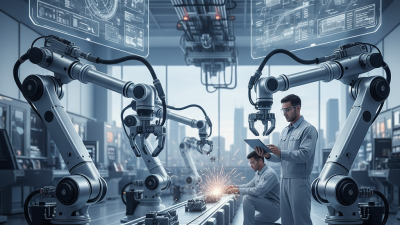
Top Uses of Fanuc Robots in Manufacturing Automation?
In today's manufacturing landscape, the adoption of automation is essential for efficiency. Fanuc robots have emerged as key players in this transformation. These machines excel in various tasks, making them invaluable in modern production lines.
Fanuc robots are known for their versatility and precision. They handle repetitive tasks that would be tedious for humans. From assembly to quality inspection, their applications are diverse. However, companies must carefully assess their needs before implementation. Not every situation benefits from automation. Sometimes, human skills and decision-making are irreplaceable.
Moreover, the integration of Fanuc robots can come with challenges. Workers may feel threatened by automation. It is crucial for companies to communicate the benefits clearly. Training employees to work alongside these robots is vital. This ensures a harmonious work environment while enhancing productivity. Embracing technology, like Fanuc robots, requires a balanced approach that values both machines and human contributions.
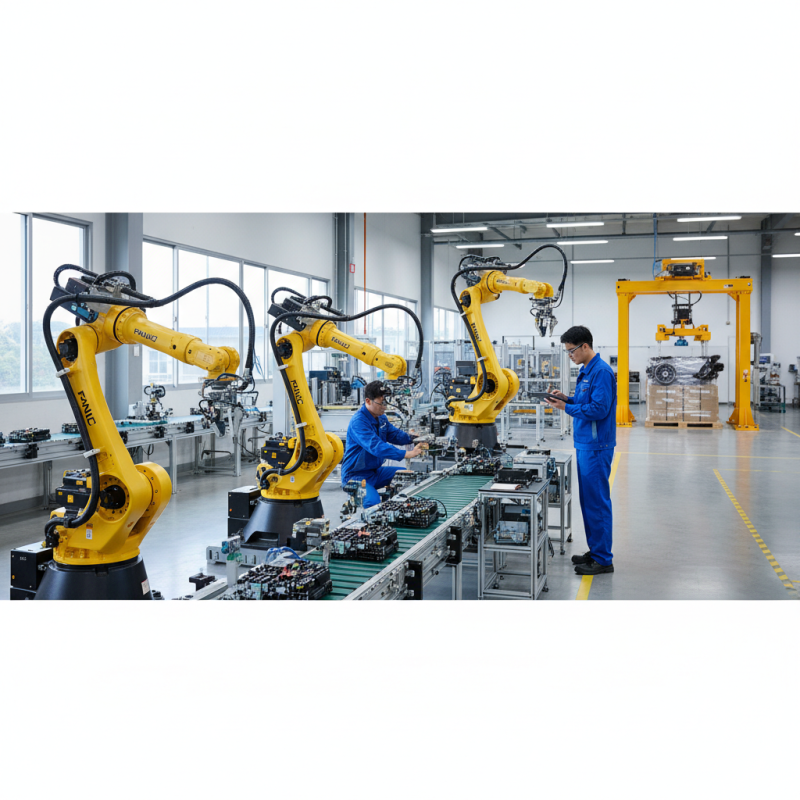
Applications of Fanuc Robots in Automotive Manufacturing Processes
In automotive manufacturing, robotic automation plays a pivotal role. A recent report suggests that over 75% of automakers now utilize robots for various tasks. These robots excel in welding, assembly, painting, and material handling. Specific processes can see time reductions up to 30%. For instance, robotic arms can conduct precise welding, ensuring consistent quality and reducing defects. Yet, this advancement comes with challenges.
While data shows productivity improvements, integrating robots isn’t always seamless. Companies face issues like workforce resistance and high initial costs. Training employees to work with robots often takes longer than expected. It's crucial to have a clear strategy to address these hurdles. Factors like safety and maintenance also cannot be ignored. Regular inspections are necessary to prevent costly breakdowns.
Another interesting application is the use of robots for painting vehicles. This process requires precision and can be challenging. Automakers have reported increased efficiency here too. However, imperfect finishes can still occur, raising concerns over quality control. Despite the promise of robotics, manufacturers must remain vigilant. Balancing high-tech solutions with human insight is essential for future growth.
Top Uses of Fanuc Robots in Manufacturing Automation
Integration of Fanuc Robots in Assembly Line Operations
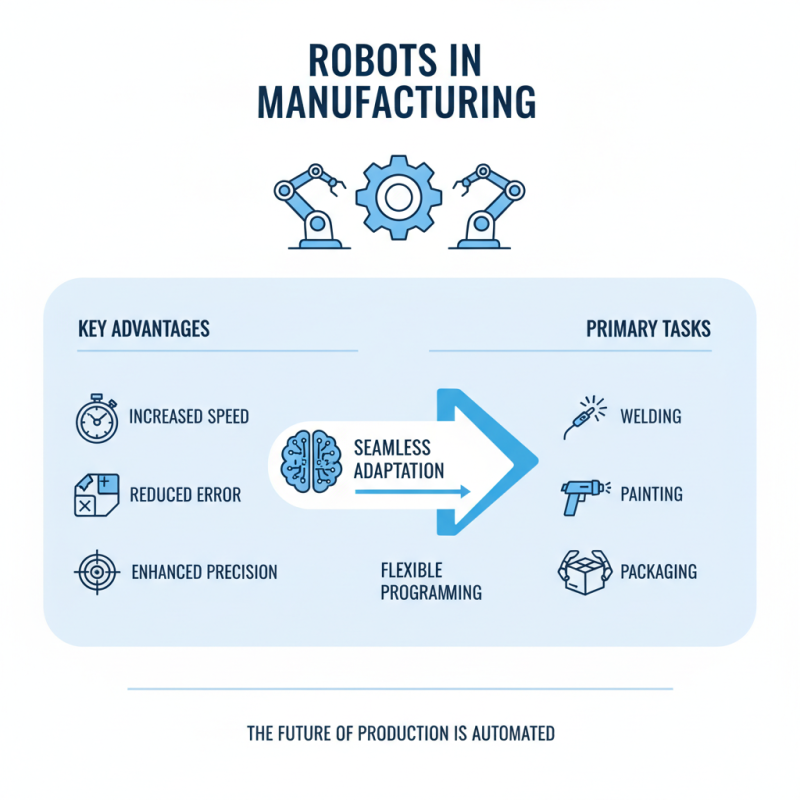
The integration of robots in assembly line operations has revolutionized manufacturing. These machines perform tasks such as welding, painting, and packaging with precision. They increase production speed and reduce human error. Workers are often amazed by how quickly these robots can adapt to different tasks. Flexibility in programming allows seamless transitions between operations.
However, some challenges arise with robot integration. Training employees to work alongside robots can take time. Not all teams easily embrace this technology. Resistance to change can slow down implementation. Technical issues may also occur, requiring troubleshooting and downtime. Maintenance is essential, and if neglected, performance declines.
Despite these hurdles, the benefits often outweigh the drawbacks. Higher efficiency and lower costs drive companies to embrace automation. As robots become more advanced, their role in assembly lines will undoubtedly expand. This presents a unique opportunity for businesses willing to adapt and innovate.
Leveraging Fanuc Robots for Quality Control and Inspection
In the field of manufacturing automation, robots play a crucial role in quality control and inspection. These machines can perform repetitive tasks with remarkable precision. They inspect products for defects using advanced vision systems. The speed of these robots allows for rapid inspections, reducing the time products spend in quality checks.
However, not every inspection is flawless. Occasionally, robots might miss subtle defects. This could lead to compromised quality. Furthermore, reliance on robots necessitates regular maintenance to ensure they function optimally. Teams must also be trained to interpret the data these machines provide. Human oversight remains essential to catch what robots might overlook.
Employing robots in quality control isn't without its challenges. Calibration issues can affect their accuracy. The integration of robots also demands a shift in workflow. Workers must adapt to new roles. Balancing automation with human expertise can create a more resilient manufacturing process.
Enhancing Material Handling with Fanuc Robots in Factories
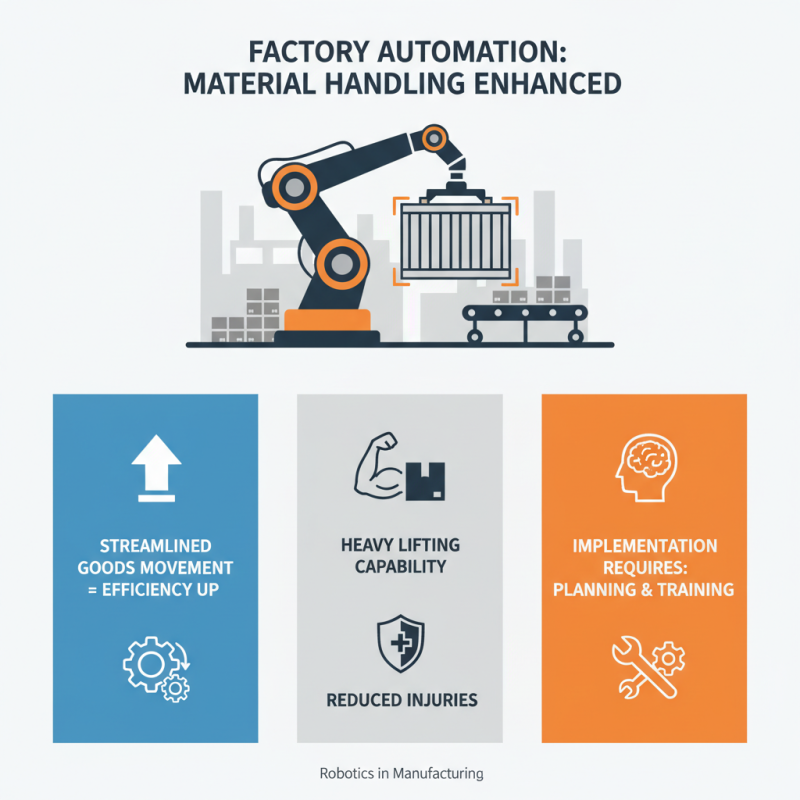
Enhancing material handling in factories is a key benefit of automation technology. Robots streamline the movement of goods, improving efficiency significantly. They can lift heavy items that may be too cumbersome for human workers. This capability reduces workplace injuries, but it is not without challenges. Implementing robotic systems requires proper planning and training.
In a factory setting, robots can sort, package, and transport products. They often work alongside humans, creating a collaborative environment. However, mishaps can occur. For example, miscommunication between robots and workers can lead to delays. Regular updates and maintenance are essential to minimize these risks.
Moreover, integrating robots into existing operations can be complex. Factories must assess their layout and workflows. Some companies face difficulties in adapting their processes to include automation. Effective training programs are necessary to ensure everyone understands how to work alongside these machines. Over time, companies learn from these challenges and refine their systems further.
Innovative Uses of Fanuc Robots in Electronics Production
In the electronics production realm, automation is vital. Robots play a transformative role here. They handle tasks like assembling small parts, testing circuits, and packaging. This efficiency saves time and reduces errors.
Many companies leverage robotic technology to enhance their production lines. Tasks that once took hours are now completed in minutes. For instance, a robot can swiftly place tiny components onto a circuit board. Such precision is hard to achieve manually.
However, even advanced systems can face glitches. A miscalibrated robot might assemble parts incorrectly. Continuous training and adjustments are necessary.
The integration of robotics is not without challenges. Maintenance can be demanding, requiring skilled technicians. Additionally, the initial costs of implementing robotic systems can be high. Companies must weigh these factors carefully.
Despite the hurdles, the push for efficiency makes automation appealing. Future improvements in robotic technologies are likely to address these concerns.