Top Robotic Welding Integrators for Efficient Manufacturing Solutions?
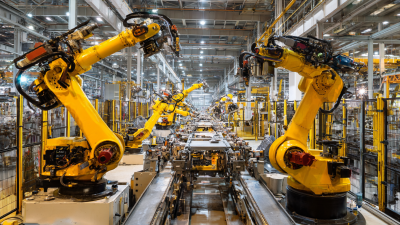
In the current manufacturing landscape, efficiency is paramount. One of the ways businesses achieve this is through robotic welding integrators. These advanced systems enhance production speed and precision, allowing manufacturers to remain competitive. By employing robotic welding, companies can reduce labor costs and improve quality control.
However, the implementation of robotic systems comes with challenges. Not all manufacturers understand the integration process. Choosing the right integrator is crucial. Expertise is necessary to ensure successful implementation. A reliable integrator can mitigate risks associated with training and maintenance.
The growing demand for automation in production highlights the importance of partnering with skilled robotic welding integrators. Companies must reflect on their specific needs and how these technologies can fulfill them. With the right approach, businesses can transform their manufacturing processes and achieve higher productivity levels.
Overview of Robotic Welding Integration in Manufacturing
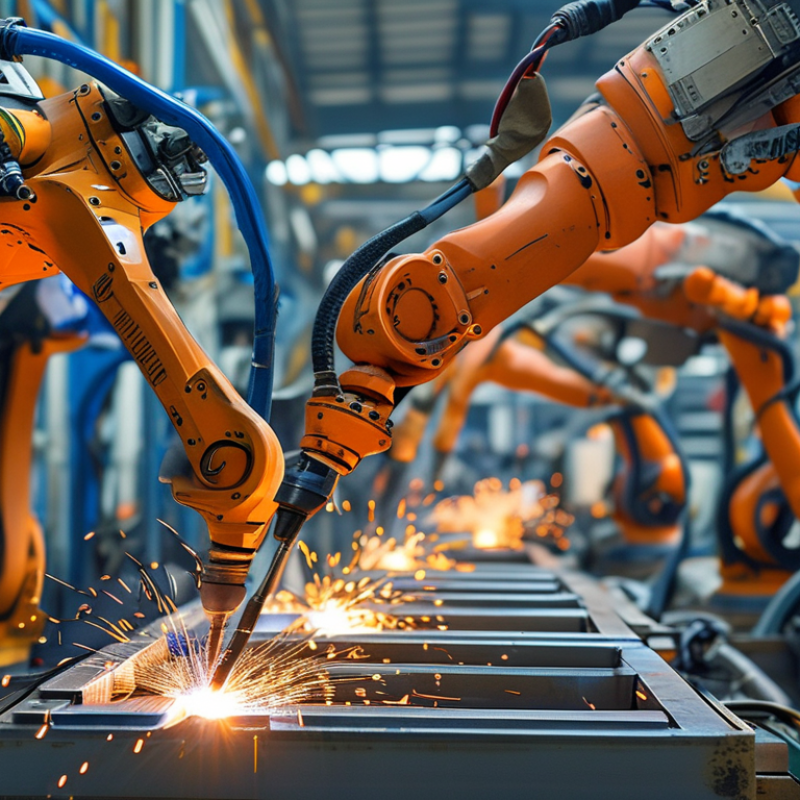
Robotic welding integration is revolutionizing the manufacturing sector. According to a report by Allied Market Research, the robotic welding market is projected to reach $6.7 billion by 2025. This growth underlines the increasing adoption of automation in manufacturing processes.
Manufacturers are drawn to robotic welding for its efficiency and precision. A study from the National Institute of Standards and Technology reveals that defects in a manual welding process can exceed 30%. In contrast, robotic welding systems significantly reduce these errors. They enhance weld consistency while minimizing material waste.
However, integrating such technologies does present challenges. Many companies face hurdles in workforce training and system adaptation. A survey by PwC found that about 40% of executives believe the skills gap hampers their automation efforts. Companies need to invest in employee education to maximize the benefits of robotic systems. Balancing technology with skilled labor is crucial for a seamless integration process.
Key Benefits of Robotic Welding Systems for Efficiency
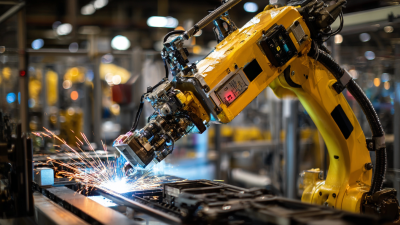
Robotic welding systems bring substantial advantages to modern manufacturing. They enhance efficiency by ensuring consistent weld quality and reducing cycle times. These systems minimize human error, leading to fewer defects. With the capability to work tirelessly, they can significantly increase production rates.
Efficiency is further improved through integration with other automation technologies. Real-time monitoring allows for immediate adjustments, preventing delays. It also generates valuable data to refine processes. Investing in robotic welding can seem daunting, but the ROI is substantial. Companies often see reduced labor costs over time, making it a smart choice.
**Tips:** Consider your production goals. Assess how robotic welding aligns with them. Start small, testing the system before full integration. Continuously evaluate performance metrics to identify areas for improvement. Embrace feedback and adapt to changes for maximum efficiency.
Efficiency of Robotic Welding Systems
Factors to Consider When Choosing a Robotic Welding Integrator
Choosing a robotic welding integrator is a critical decision for any manufacturing operation. Evaluating their experience is key. An integrator with years in the field will better understand your specific needs. They should have a portfolio showcasing successful implementations. Look at their diverse projects; successful adaptation to various industries is a strong indicator of expertise.
Consider their technical knowledge. The integrator should provide insight into the latest technologies and methodologies. A good integrator will offer tailored solutions to meet your production goals. Examine their support services as well. Ongoing maintenance and training can affect your long-term success. Reliable support can reduce downtime and save costs in the long run.
Think about communication and responsiveness. An integrator should understand your vision and translate it into effective solutions. Poor communication can lead to misunderstandings and delays. It's important that you feel comfortable discussing your concerns openly. Reflection on past projects can reveal crucial areas of improvement. Transparency about challenges faced will allow for more informed decisions in the future.
Top Companies Specializing in Robotic Welding Solutions
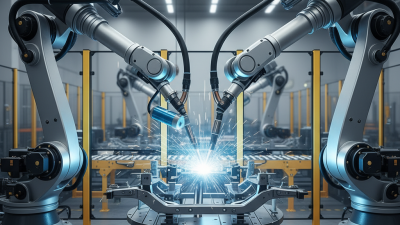
In today's manufacturing landscape, robotic welding is transforming production efficiency. Many companies are exploring specialized robotic welding solutions. These integrators design and implement systems tailored to specific manufacturing needs, fostering precision and speed.
When selecting a robotic welding integrator, consider their experience and expertise in the industry. Some companies may offer advanced technologies but lack hands-on experience. It's vital to explore their past projects and gather feedback from their clients. A good integrator should be able to adapt to various materials and production environments, ensuring optimal performance and quality.
While robotic welding presents many advantages, challenges persist. Not all components may be suitable for automation. Some intricate designs require human intervention for quality assurance. Finding a balance between automation and manual processes can be critical. It's essential to reflect on these aspects to make informed decisions that enhance production without compromising quality.
Top Robotic Welding Integrators for Efficient Manufacturing Solutions
| Company Location |
Specialization |
Technology Used |
Annual Revenue ($ Million) |
Years in Operation |
| USA |
Automotive Welding |
Laser & TIG |
150 |
20 |
| Germany |
Heavy Machinery |
MIG & Arc |
200 |
25 |
| Japan |
Electronics |
Robot Arm Welding |
120 |
18 |
| China |
Shipbuilding |
Submerged Arc Welding |
300 |
15 |
| South Korea |
Aerospace |
Plasma Welding |
170 |
22 |
Future Trends in Robotic Welding Technology and Integration
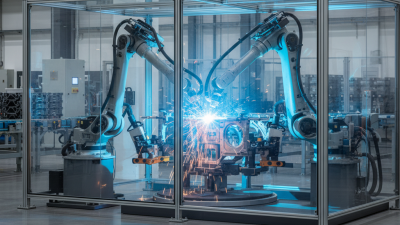
The landscape of robotic welding technology is evolving. As industries seek greater efficiency, advancements in automation are crucial. Integration of AI and machine learning has enhanced welding processes, making them smarter. Robots now adapt in real-time, optimizing weld quality and speed. This adaptability increases production rates and reduces waste.
Despite these advancements, challenges remain. Many manufacturers struggle with the initial cost of integrating such technology. Training staff to utilize new systems effectively is another hurdle. Ongoing maintenance and updates can also take time. These barriers often deter companies from fully embracing robotic welding.
Future trends indicate a more collaborative approach between humans and robots. Cobots, or collaborative robots, are designed to work alongside human workers. This partnership can enhance productivity while maintaining flexibility. As technologies continue to improve, businesses must evolve their strategies. Embracing these changes can lead to significant gains in efficiency and competitiveness.