Top Automation Systems Revolutionizing Industries Today?
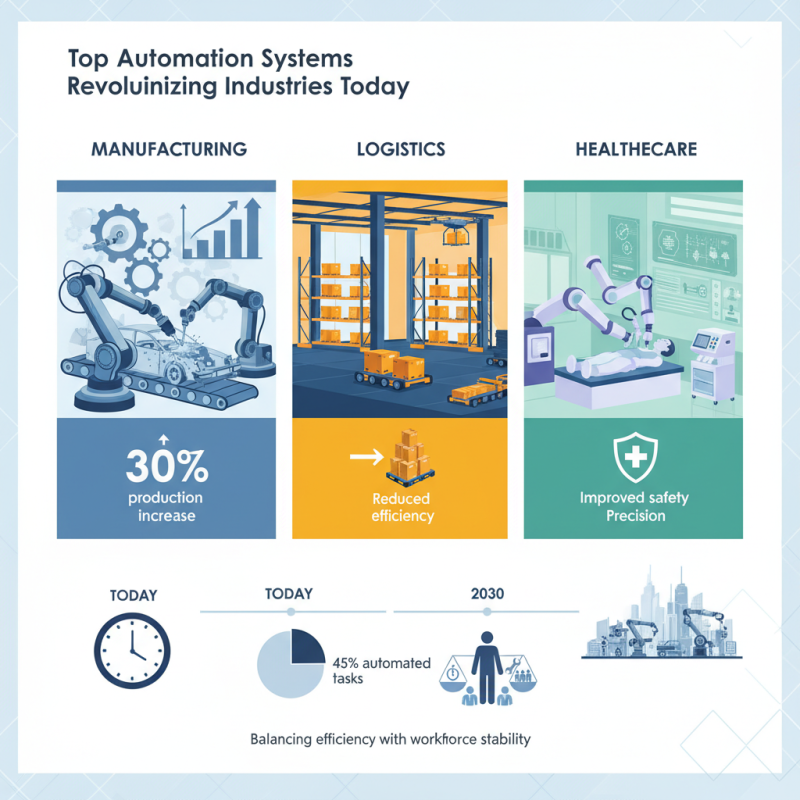
In today’s fast-paced industrial landscape, automation systems are becoming essential. A recent report by McKinsey suggests that up to 45% of tasks could be automated by 2030. This potential transformation presents both opportunities and challenges.
Industries like manufacturing, logistics, and healthcare are at the forefront of this revolution. Automation systems enhance efficiency, reduce costs, and improve safety. For example, in manufacturing, robot-assisted processes have improved production rates by 30%. However, reliance on these systems can create jobs displacement.
Moreover, businesses must reflect on the long-term implications. Systems must be updated and maintained regularly, which can be costly. As industries push for automation, they must also consider the human aspect. Balancing efficiency with workforce stability is critical in this innovative era.
Top Automation Systems Transforming Manufacturing Processes in 2023
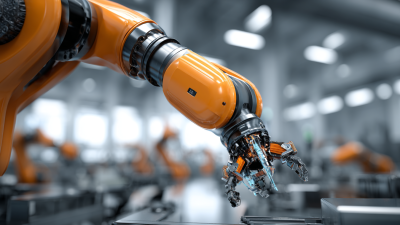
In 2023, automation systems are reshaping manufacturing processes significantly. Many industries are embracing technology to enhance efficiency. Robotics, AI, and IoT are transforming how factories operate. These systems streamline production lines, reduce manual labor, and minimize human error. The emphasis is on speed and precision.
Tips: Evaluate your factory’s needs. Not every automation system suits every process. Conduct an analysis before investing. This can save time and resources.
Additionally, data analytics plays a crucial role. Manufacturers are using real-time data to make informed decisions. This approach provides insights into performance and identifies weaknesses. However, not all companies effectively utilize this data. Relying solely on technology without understanding the data can be misleading.
Tips: Train your team on data interpretation. Human insight complements automation. Encourage a culture of continuous improvement. Small changes can lead to significant advancements. Emphasizing collaboration can drive successful automation integration.
Impact of Robotics on Supply Chain Efficiency and Cost Reduction
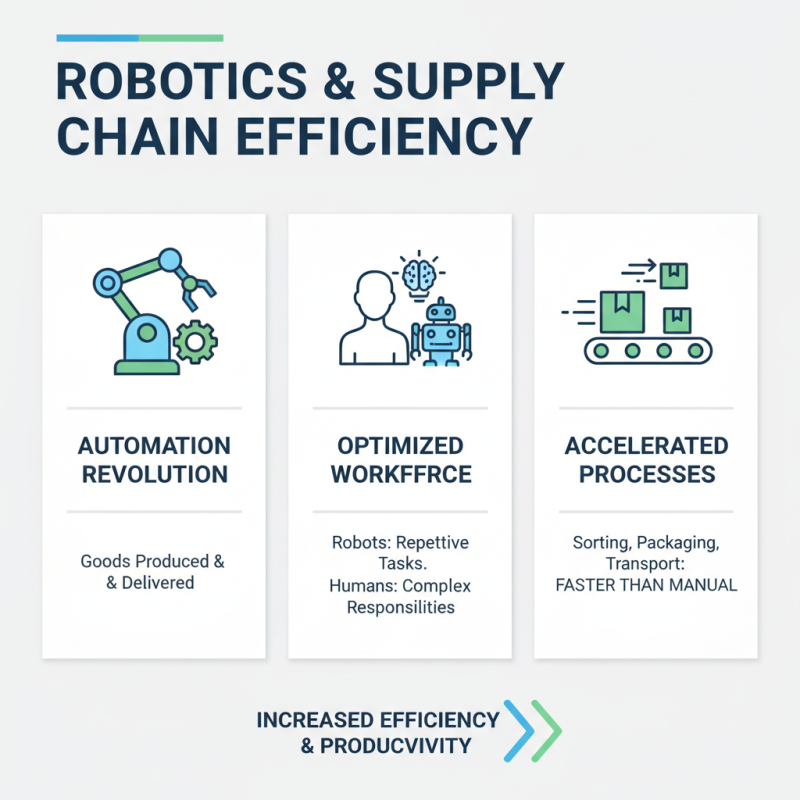
The impact of robotics on supply chain efficiency is profound and widespread. Automation has changed how goods are produced and delivered. Robots handle repetitive tasks, freeing up human workers for more complex responsibilities. They can sort, package, and transport items faster than any manual process.
However, challenges arise. High initial costs can be a barrier for smaller companies. Implementing robotics can also lead to job displacement, raising ethical concerns. Moreover, maintenance and training add to operational costs. Companies often underestimate the time required for proper integration. Despite these setbacks, many industries are finding ways to adopt robotic solutions effectively.
As efficiency increases, so does the expectation for speed and reliability. Supply chain issues can still arise, despite automation. Delays in technology updates can hinder desired performance. Addressing these challenges is crucial for organizations aiming for seamless operations.
AI-Driven Automation: Enhancing Decision-Making in the Financial Sector
AI-driven automation is changing the financial sector dramatically. This technology helps firms analyze large volumes of data quickly. According to a recent report, about 62% of financial institutions believe AI enhances decision-making. They leverage AI to process transactions, reduce human error, and predict market trends.
However, the implementation of AI is not without challenges. Many companies face integration issues with existing systems. Additionally, there is a growing concern about data privacy. A study revealed that around 40% of firms worry about the ethical use of AI in decision-making processes. These concerns highlight the need for transparency and robust policies.
Despite these hurdles, AI continues to offer impressive benefits. Automation speeds up processes significantly. It cuts operational costs by approximately 30%. Many analysts predict that, in the next five years, AI will handle up to 80% of manual tasks. Companies can then focus on strategic initiatives rather than routine activities. This shift could redefine roles within financial institutions for the better.
The Role of IoT in Smart Manufacturing and Real-Time Data Analysis
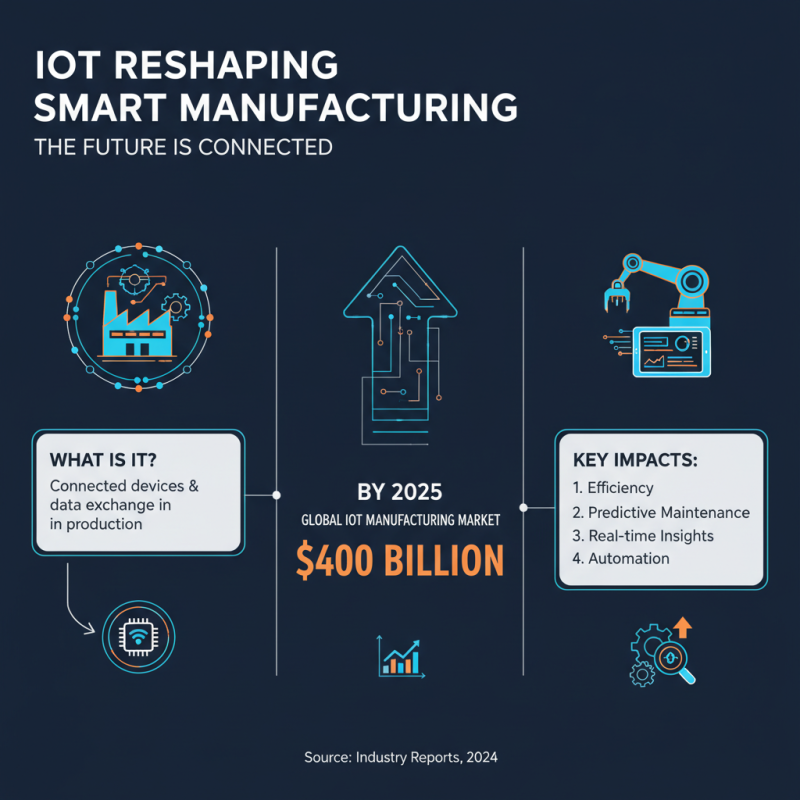
In today's manufacturing landscape, the Internet of Things (IoT) plays a pivotal role. It's not just a buzzword; it’s reshaping how we approach smart manufacturing. Reports indicate that by 2025, the global IoT market for manufacturing is projected to reach $400 billion. This growth underscores the importance of connected devices in production lines.
Real-time data analysis is a critical feature of modern automation systems. Sensors monitor equipment continuously, providing instantaneous data. This allows for predictive maintenance, reducing downtime by up to 30%. Companies can now address issues before they escalate, thanks to timely insights. However, implementing these systems isn't without challenges. Data security remains a significant concern. Manufacturers must balance connectivity with the risk of cyber threats.
The integration of IoT allows for better inventory management. For instance, connected devices can track stock levels in real time. This can reduce excess inventory costs by 20%. Yet, many companies struggle to harness the full potential of IoT. The complexity of integrating legacy systems with new technology is often a barrier. The future of industries depends on overcoming these hurdles.
Automation in Healthcare: Improving Patient Care and Operational Efficiency
Automation in healthcare is transforming patient care and operational efficiency. According to a report by the World Health Organization, automating routine tasks can lead to a 30% reduction in administrative burdens. This allows healthcare professionals to focus more on patient care. Automation streamlines processes like appointment scheduling, patient data management, and billing, which increases productivity.
However, the integration of these systems is not without challenges. Many healthcare facilities struggle with data security and staff training. A recent study shows that 40% of healthcare organizations reported data privacy concerns when implementing automation. These issues require thoughtful solutions. Addressing human factors is equally important. Training staff to adapt to new technologies can enhance acceptance and usability.
**Tips**: Engage staff in the transition process. Their insights can lead to better implementations. Regular assessments of automated systems are crucial. Evaluate effectiveness and user satisfaction frequently. Also, ensure that any automation does not compromise personal interactions. Balancing technology and human touch is essential for effective healthcare delivery.
Impact of Automation on Healthcare Operations
This chart illustrates the improvements witnessed in the healthcare sector due to automation. Key areas such as patient satisfaction, operational efficiency, error reduction, and cost savings have shown significant percentage improvements, highlighting the transformative impact of automation technologies in this industry.