What Is a Melt Filtration Disc and How Does It Work?
Plastic processing is under growing pressure to deliver cleaner products with less waste and more recycled content. PlasticsEurope’s Plastics—the Fast Facts 2023 reported approximately 400.3 million tonnes of plastics production worldwide in 2022. That scale makes contamination control a practical manufacturing priority, not a minor maintenance task.
A Melt Filtration Disc is a porous metal component installed inside a polymer melt filtration system. It captures gels, carbonized particles, unmelted resin, and other solid contaminants before they reach the die. During extrusion, molten polymer passes through carefully sized openings. Pressure pushes the melt forward, while the disc retains particles on its upstream surface. In a working line, this can protect screen changers, reduce die lines, and improve the appearance of films, sheets, pipes, and molded products.
The result depends on more than disc installation. Material viscosity, filtration rating, temperature, pressure, and cleaning practice must match the process. OECD’s Global Plastics Outlook highlights the continuing growth of plastic production and the environmental importance of improving resource efficiency. Recycled feedstocks often contain more variable contamination, making stable filtration especially valuable. Still, no filter is magic. A disc that is too fine may increase pressure quickly, while a coarse disc may allow defects through. This guide examines how a Melt Filtration Disc works, which materials and structures are common, and how engineers evaluate performance. Real production conditions can be imperfect. That is why pressure trends, melt quality, and replacement intervals should be reviewed together, rather than judged from one measurement alone.
Definition and Purpose of a Melt Filtration Disc
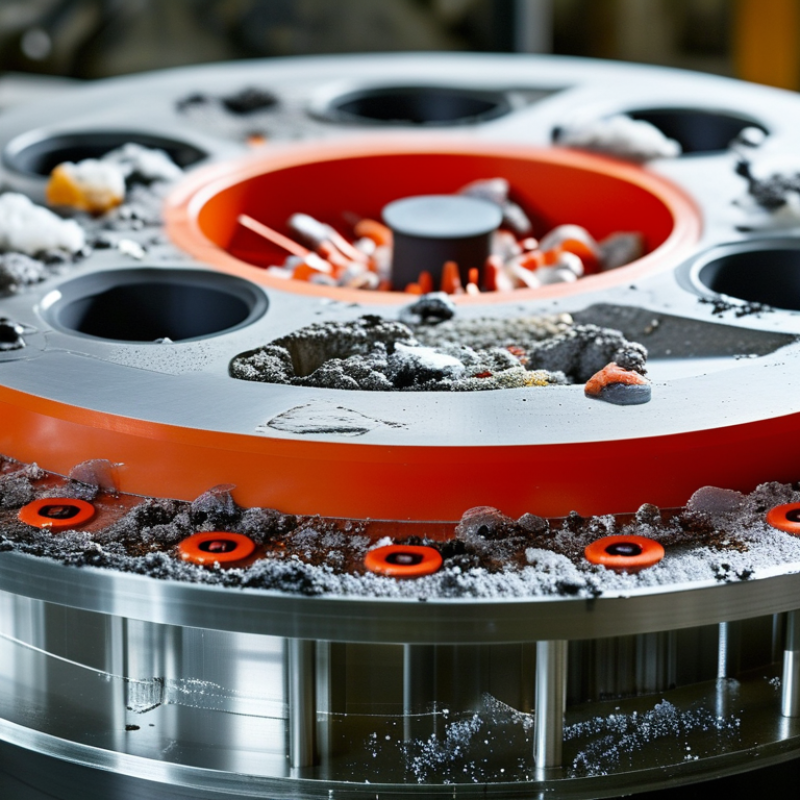
A melt filtration disc is a flat, porous component used to clean molten material during processing. It usually contains woven metal mesh, sintered metal, or layered filtration media. The disc sits inside a melt flow path, often before a die or forming tool.
Its purpose is simple: remove unwanted particles before they damage equipment or affect product quality. Rust flakes, unmelted pellets, carbonized material, and other debris may enter the melt. As the material passes through the disc, these contaminants remain on the filtration surface. The cleaned melt continues downstream under controlled pressure.
Small details matter. Filtration performance depends on pore size, disc thickness, material compatibility, and operating temperature. A finer opening can capture smaller particles, but it may also restrict flow more quickly. This trade-off is easy to underestimate. Excessive pressure can reduce output and place stress on pumps, screens, and seals.
In plant operation, pressure readings provide useful evidence. An operator may notice a gradual pressure increase as contaminants collect on the disc. That observation can indicate loading, but it is not absolute proof. A disc can appear clean while its pores remain partially blocked. Temperature changes can also alter melt viscosity and distort the diagnosis. Maintenance records should connect pressure, throughput, temperature, and replacement timing. No filter is perfect. Unexpected contamination still requires investigation of upstream handling and processing conditions.
Key Materials and Structural Features
A melt filtration disc is a circular barrier placed inside a melt-processing line. It removes gels, carbonized particles, rust, and other solid contaminants from molten material. The disc must survive high temperature, pressure, and repeated thermal cycling. Material selection is therefore more important than appearance.
Stainless steel woven mesh is widely used because it offers strength, predictable openings, and good chemical resistance. Sintered metal fiber provides a deeper filtration structure, which can capture smaller particles through its tortuous internal paths. Some discs combine several layers. A coarse outer layer protects a finer inner layer, while a perforated support plate prevents collapse under pressure. The edge may include a solid metal rim. It helps control sealing and limits bypass flow.
A finer rating is not automatically better. It can increase pressure drop and shorten service life when the melt contains heavy contamination. Engineers should match pore size with viscosity, operating temperature, pressure, and required cleanliness. In practical use, an uneven disc surface can signal poor support or damaged construction. This detail deserves attention. Testing should include flow stability, pressure behavior, and material compatibility. Small design changes can affect output consistency. Filtration is not only about catching particles. It is also about maintaining steady flow through every part of the disc. Yet no structure performs perfectly under all conditions, so selection should be reviewed after real production data becomes available.
How Melt Filtration Discs Remove Contaminants
What Is a Melt Filtration Disc and How Does It Work?
A melt filtration disc removes solid contaminants from molten plastic before extrusion or pelletizing. It usually contains layered woven metal mesh or sintered porous metal. During processing, the polymer flows through tiny openings under pressure. Unmelted pellets, paper fibers, wood particles, gels, and oxidized material remain on the disc surface.
The mechanism is simple, but the control is not. As contaminants collect, a filter cake forms and traps smaller particles. Operators monitor pressure before and after the disc. A rising pressure difference often signals loading. The disc may then require cleaning or replacement. It is not magic.
PlasticsEurope reported global plastics production of 400.3 million tonnes in 2022. The OECD’s Global Plastics Outlook also estimated 353 million tonnes of plastic waste in 2019. These volumes increase the need for stable recycling and compounding processes. However, filtration cannot repair severely degraded polymer. Excessive heat, poor drying, or an unsuitable mesh can still create defects. A tighter disc improves particle removal, yet it can reduce throughput and increase energy demand. Practical trials remain essential. Resin type, melt temperature, contamination level, and screen area must guide the selection. A clean disc may show low pressure, while a partially blocked disc can create visible flow lines, unstable output, or sudden equipment stress.
Main Applications Across Plastic Processing
What Is a Melt Filtration Disc and How Does It Work?
A melt filtration disc is a porous metal element placed inside a plastic processing line. It captures contaminants while molten polymer passes through its openings. Paper fibers, carbonized particles, unmelted resin, and metal fragments can reduce product quality. The disc helps protect extrusion equipment and supports a more stable melt flow.
Main Applications Across Plastic Processing
Melt filtration discs are widely used in film, sheet, pipe, fiber, and pellet production. In film extrusion, filtration can reduce black specks and improve surface appearance. Sheet producers use discs to support clearer, more uniform products. In recycling, they remove paper, dust, and mixed polymer residue from recovered material. Fiber processing demands careful filtration because small particles may break spinning lines. Pelletizing systems also benefit from cleaner melt and fewer die blockages.
Filtration is not a cure for poor process control. A disc with excessive resistance may increase pressure and energy use. A coarse disc may allow damaging particles through. The best selection depends on polymer type, contamination level, temperature, throughput, and acceptable pressure change. In practice, the choice is rarely perfect.
Tips: Check pressure readings regularly, inspect used discs, and record contamination patterns. A sudden pressure rise may signal plugging, temperature drift, or inconsistent feedstock. Do not judge performance by appearance alone. Laboratory testing and controlled production trials often reveal problems earlier. Small process details matter.
Factors for Selecting the Right Filtration Disc
A melt filtration disc is a porous metal screen placed inside an extrusion system. It captures gels, unmelted particles, rust, and other solid contamination before the polymer leaves the die. Pressure forces the molten material through the disc. Cleaner melt improves surface quality and reduces blocked die openings.
Selecting the right disc starts with the polymer, operating temperature, and expected contamination. Check chemical compatibility carefully. A disc that softens, corrodes, or loses strength can create serious process problems. Filtration rating matters too. Finer openings remove smaller particles, but they also increase pressure and may reduce output. A finer disc is not automatically better.
Match the disc diameter and thickness to the holder, flow rate, and available screen area. Layered construction can combine coarse support with fine filtration. This arrangement helps prevent damage during pressure changes. Measure pressure before and after the disc during a stable production run. The difference shows whether the disc is becoming restricted. Small mistakes matter. A sudden pressure rise may indicate contamination, poor seating, or an unsuitable rating. Operators should also consider replacement time, cleaning requirements, and batch consistency. In practice, a slightly coarser disc may perform better when production cannot tolerate frequent changes. Still, this choice needs testing, not guesswork. Record melt temperature, pressure, throughput, and filter life for each trial. These records provide reliable evidence for future selection.
