How to Leverage Robot Technology for Your 2026 Procurement Needs?
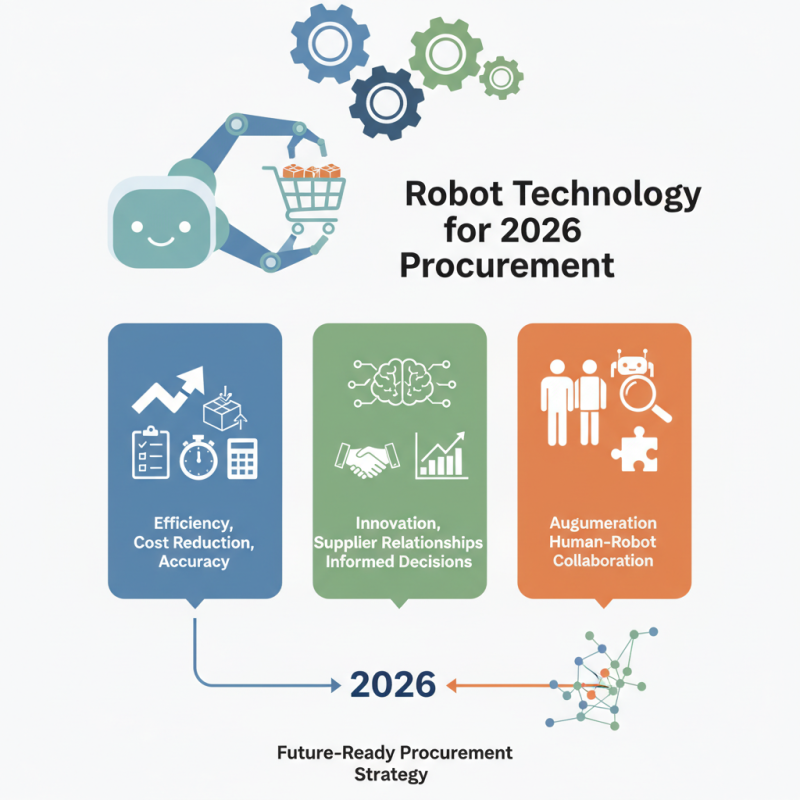
In today's fast-paced world, businesses are looking for innovative ways to improve efficiency. Robot technology stands out as a key player in the procurement arena. By integrating robotic systems, companies can automate repetitive tasks, reduce costs, and enhance accuracy.
The implementation of robot technology opens doors to new levels of operational excellence. However, it is crucial to consider the potential challenges and impacts on the workforce. Balancing automation with human skills is necessary for success.
As we approach 2026, companies must reflect on their procurement strategies. Embracing robot technology is not just about replacement; it’s about augmentation. Thoughtful adoption can lead to more informed decision-making and improved supplier relationships.
Understanding the Role of Robotics in Modern Procurement Processes
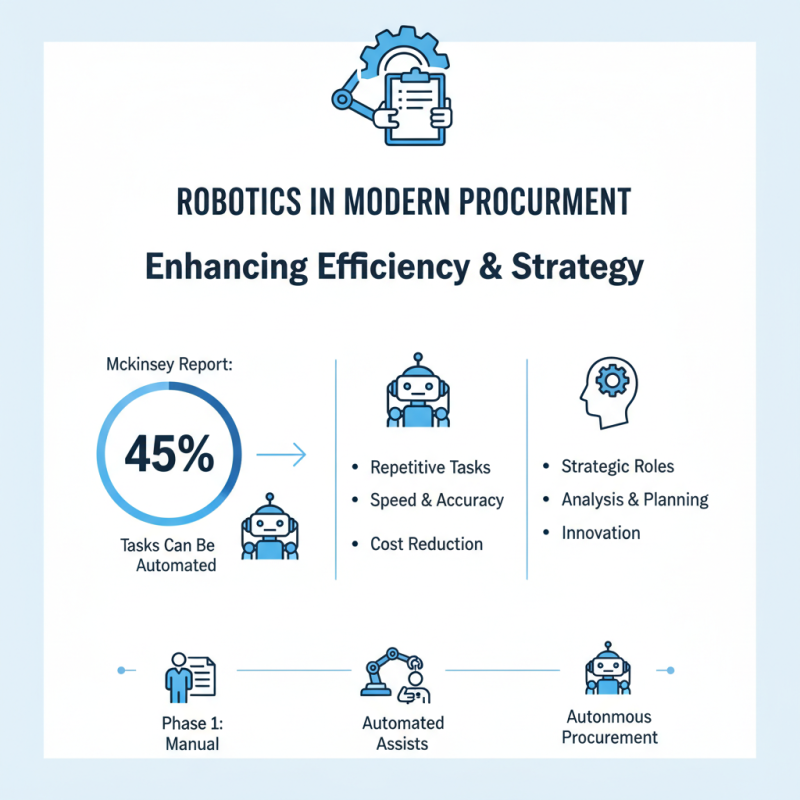
In modern procurement processes, robotics is increasingly pivotal. According to a report from McKinsey, 45% of current tasks can be automated using existing technology. This statistic underscores the potential for robots to enhance efficiency. They can perform repetitive tasks quickly and accurately, freeing up human workers for more strategic roles.
However, the transition is not without challenges. Integrating robotics requires careful planning and investment. Organizations must assess their specific needs. Training employees to work alongside robots is essential. The International Federation of Robotics highlights that over 2.7 million industrial robots were in use worldwide by 2020. This trend continues to rise, which can enhance procurement effectiveness.
Tips for businesses include starting small. Implement pilot projects to gauge effectiveness before a full rollout. Regularly review processes to identify areas ripe for automation. Collaboration between teams ensures that technology aligns with overall procurement goals. Adopting robotics offers opportunities, but understanding its integration is crucial for success.
Identifying Key Areas for Robot Integration in Procurement Operations
In today's procurement landscape, robot technology is transforming operations across various sectors. The integration of robotic solutions can enhance efficiency, reduce costs, and improve accuracy. A recent report from McKinsey indicates that automation can boost productivity in procurement by up to 30%. This shift not only changes the way tasks are executed but also the roles of procurement professionals.
Identifying key areas for robot integration is crucial. Routine tasks like inventory management and order processing are prime candidates for automation. According to a Deloitte study, automating these processes can reduce human error by 50%. However, integrating robots isn't a one-size-fits-all solution. Organizations must assess their specific needs and workflows before implementation. Some may find the initial setup daunting, leading to challenges in user adoption and training.
Risk management is another critical area where robotic solutions can prove beneficial. Robots can analyze vast amounts of data, identifying potential supply chain disruptions before they escalate. This proactive approach significantly mitigates financial risks. Nevertheless, companies should remain cautious. Dependency on technology can introduce vulnerabilities in cases of system malfunctions or cybersecurity threats. Balancing robot integration with human oversight is essential for sustainable procurement operations.
Evaluating the Benefits of Automation for Supply Chain Efficiency
As we approach 2026, the integration of robot technology in supply chains is imperative. Automation offers distinct advantages for enhancing efficiency. Robots can handle repetitive tasks, allowing human workers to focus on strategic roles. They can sort, pick, and pack items much faster than traditional manual methods. This not only speeds up operations but also reduces errors in the process.
However, relying heavily on automation raises questions. There can be gaps in communication between human and robot interactions. Misalignment may lead to inefficiencies, especially in complex supply chains. Training staff to work alongside robots is crucial. Moreover, businesses must evaluate the return on investment. The cost of implementation can be significant. Is your organization prepared for this shift?
Overall, the transition to automated systems must be approached with caution. While the benefits of efficiency are clear, it is essential to monitor the human aspects of procurement. Balancing technology and human skills is vital for a successful supply chain in 2026.
How to Leverage Robot Technology for Your 2026 Procurement Needs? - Evaluating the Benefits of Automation for Supply Chain Efficiency
| Dimension |
Description |
Benefits |
Potential Impact on Supply Chain |
| Cost Reduction |
Automation reduces labor costs by minimizing the need for manual processes. |
Lower operational expenses and increased profit margins. |
Enhanced competitiveness and pricing strategies. |
| Efficiency |
Robots can perform repetitive tasks faster and with fewer errors than humans. |
Increased throughput and optimized resource allocation. |
Faster order fulfillment and improved customer satisfaction. |
| Quality Control |
Robotic systems can maintain consistency in quality through precision tasks. |
Reduction in defects and returns, boosting brand reputation. |
Stronger supplier relationships and compliance with industry standards. |
| Inventory Management |
Automated systems can effectively track and manage inventory levels. |
Minimized stockouts and overstock situations. |
Enhanced forecasting and improved cash flow management. |
| Scalability |
Robotic systems can be scaled up or down based on demand. |
Flexibility to adapt to market changes and customer needs. |
Better prepared to handle peak seasons without disruption. |
Implementing Robot Technology: Steps for Successful Adoption
Implementing robot technology in procurement can transform operations. Start small by identifying specific tasks for automation. Assess areas with 🔄 repetitive work. Consider inventory management or order processing as initial targets. This can lead to greater efficiency and reduced labor costs.
Training is crucial for successful adoption. Equip your team with the necessary skills to interact with robots. Ensure they understand how to manage, troubleshoot, and maintain robotic systems. Regular workshops can enhance confidence and effectiveness.
Monitor the technology's performance. Collect data to evaluate its impact on productivity. Be prepared to make adjustments based on feedback. Acknowledge that not all implementations will go smoothly. Some challenges may arise, requiring a reassessment of strategies. Embrace a mindset of continuous improvement.
Future Trends in Robotics: Preparing for 2026 Procurement Challenges
As we approach 2026, the integration of robotics in procurement is becoming more vital. Companies must adapt to these advancements to stay competitive. Robotics can automate repetitive tasks and increase efficiency. This can free up human resources for strategic decision-making. However, the transition isn't without challenges.
Understanding the future trends in robotics is crucial. It’s not just about robots performing tasks; it’s about smart systems that gather data effectively. For instance, predictive analytics can enhance decision-making. By analyzing procurement patterns, companies can forecast demand effectively. Yet, many organizations struggle with data integration and accuracy. This gap can undermine the very benefits robotics promise.
There's also a need to address human factors. Employee resistance to automation can hinder progress. Training is essential to bridge skills gaps. Organizations must invest in ongoing education about robotic systems and their advantages. It's a journey that requires collaboration between tech developers and procurement teams. Addressing these areas can lead to substantial gains in efficiency and effectiveness.