Why Invest in Robotic Systems for Your Business Growth?
In today's competitive landscape, investing in robotic systems is becoming essential for business growth. According to a report by McKinsey, automation can boost productivity by up to 30%. As industries evolve, companies must adapt to stay relevant. Robotic systems enhance efficiency, reduce errors, and lower operational costs.
However, the initial investment can be daunting. Many businesses hesitate, fearing the integration process. The International Federation of Robotics estimates that global sales of robotic systems are growing by 15% annually. This trend shows that companies see the long-term benefits despite the challenges.
Additionally, small and medium-sized enterprises can also leverage robotic systems. Cost-effective options are now available. As companies increasingly embrace this technology, it's crucial to understand both the potential and the limitations of robotic systems. This nuanced perspective will help businesses make informed decisions for sustainable growth.
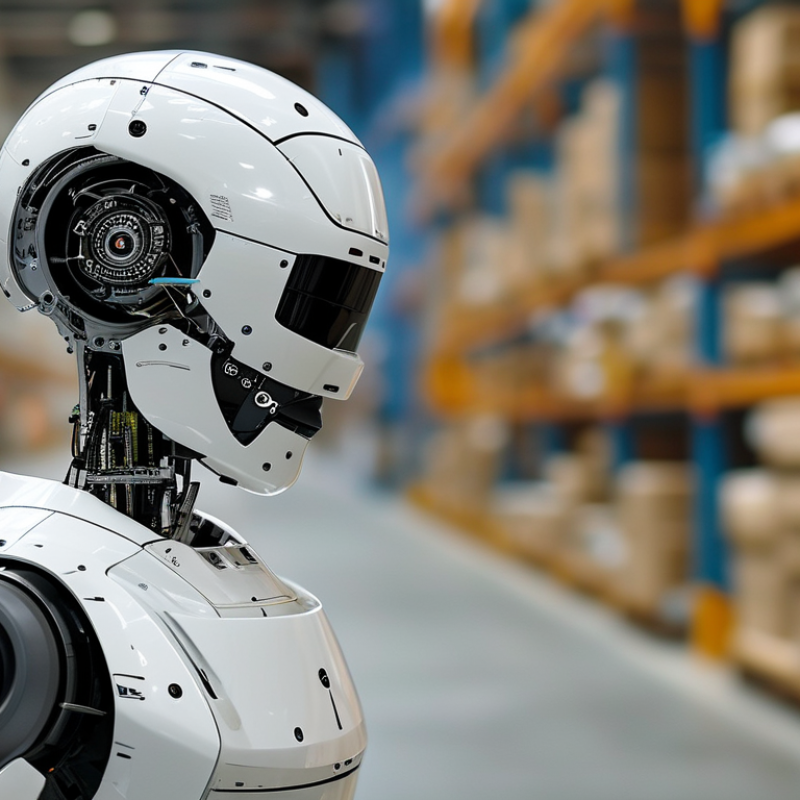
The Rise of Robotic Systems in Business Operations and Their Benefits
The integration of robotic systems in business operations is on the rise. According to a report by McKinsey, by 2030, automation could increase global productivity by up to 1.4% annually. This shift is not just a trend; it represents a significant transformation in how we do business.
Robots are increasingly used in manufacturing, logistics, and even customer service. A survey by the International Federation of Robotics found that in 2022, global robot sales reached a record high of 486,000 units. This boom not only enhances operational efficiency but also reduces labor costs. For instance, implementing robotic systems can lower production times by an average of 30%, boosting output significantly.
However, the transition to robotic systems is not without challenges. Many businesses struggle with the initial investment and training required. Furthermore, workers may fear job displacement. A balance must be struck between automation and maintaining a motivated workforce. While robots can take over repetitive tasks, human oversight and creativity remain irreplaceable. Companies should approach this shift thoughtfully, ensuring that they foster an environment where humans and robots can collaborate effectively.
Growth of Robotic Systems in Business Operations (2018-2023)
The chart above illustrates the significant growth in investment in robotic systems for business operations from 2018 to 2023. This trend highlights the increasing reliance on robotics to enhance productivity and efficiency across various sectors.
Current Market Trends: Growth Projections for Robotics in Various Industries
The robotics industry is experiencing rapid transformation. According to the International Federation of Robotics, industrial robot sales are projected to reach over 630,000 units by 2024. This growth reflects businesses’ need for efficiency and productivity. Companies are increasingly adopting robotic systems to streamline operations.
One striking trend is the expansion of robotics in healthcare. A report from McKinsey indicates the healthcare robotics market could exceed $10 billion by 2026. Surgical robots, rehabilitation devices, and telepresence systems are leading this charge. They enhance precision, improve patient outcomes, and reduce operational costs.
Furthermore, logistics and warehouse automation are evolving quickly. The market for logistics robots is expected to grow at a compound annual growth rate of 22% through 2025. As e-commerce expands, businesses are investing heavily in automated systems for faster order fulfillment. Despite these advancements, companies must carefully evaluate implementation costs and the potential need for workforce reskilling. Investing in robotics is not just about the technology; it requires strategic planning and adaptation.
Cost Efficiency: How Robotics Reduce Operational Expenses and Increase Profitability
Investing in robotic systems can significantly enhance cost efficiency. A study by McKinsey shows that automation can reduce operational costs by up to 30%. This reduction often comes from decreased labor costs and minimized errors. With robots handling repetitive tasks, businesses can refocus human talent on higher-value activities. Industries adopting robotics are reporting increased profitability. According to a report by Deloitte, companies utilizing robotic solutions experience a 20% increase in efficiency.
Implementing robotics isn’t without its challenges. Initial investments can be substantial. Organizations must consider maintenance costs and potential employee re-skilling. However, the long-term benefits often outweigh these costs. Businesses that take the plunge often find they can scale operations faster. Adopting robotic systems boosts output and improves customer satisfaction.
Tips: Start small with automation. Test robotic systems in one area before scaling. Measure results diligently. Engage your team in the process. Their insights may lead to better implementation and smoother transitions. Regularly review your robotic solutions, ensuring they address current business needs effectively.
Enhancing Productivity: The Role of Robotics in Streamlining Business Processes
Robotic systems are transforming how businesses operate. According to a recent report by McKinsey, companies that implement robotics can boost their productivity by up to 30%. This technology minimizes repetitive tasks. Employees can focus on more strategic initiatives, enhancing workplace efficiency.
One fascinating aspect is the flexibility of robotic technologies. They can adapt to various business processes, from manufacturing to logistics. A study by Deloitte shows that 53% of companies using robotics noticed reduced operational costs within the first year. However, businesses need to carefully assess their specific needs. Implementing robots isn't always straightforward. Some companies face integration challenges, which can lead to disruptions if not managed well.
Moreover, while robotics can streamline workflows, it may also create skill gaps. Workers might require re-skilling or up-skilling. A report by PwC indicates that 38% of jobs will be automated by the early 2030s. This shift demands that businesses prioritize employee training. Investing in robotics is not just about machines; it's about cultivating a future-ready workforce.
Workforce Transformation: Addressing Employment and Skill Development in Automation
As businesses increasingly adopt robotic systems, the workforce landscape is shifting. Automation brings significant efficiency, but it also raises questions about jobs and skills. Many employees fear losing their roles to machines. Addressing this anxiety is crucial for smooth implementation. Companies must actively engage in workforce transformation.
Investing in employee retraining is essential. Workers need to adapt to new technologies. This can mean learning how to collaborate with robots or developing new technical skills. Organizations can create tailored training programs, focusing on skills that complement automation. This approach fosters a culture of continuous learning.
Additionally, fostering adaptability is vital. Automation can create new job categories. Traditional roles may diminish, yet new opportunities can arise. Businesses should identify these potential roles, guiding employees in transition. Reflecting on workforce needs can ensure that employees feel valued and empowered. Balancing automation and human skills will be the key to growth.