2026 How to Enhance Robotic Systems for Improved Automation?
As we look toward 2026, the evolution of robotic systems is paramount for enhancing automation. These systems play a crucial role in various industries, from manufacturing to healthcare. However, they often face limitations that hinder their effectiveness. Improving these robotic systems requires innovative approaches and thoughtful design.
Automation relies heavily on the seamless integration of robotics. Yet, many robotic systems lack adaptability and real-time responsiveness. By focusing on these areas, we can create machines that better meet the demands of dynamic environments. It is essential to consider user interaction, learning capabilities, and sensory input.
The future of enhanced robotic systems is not without challenges. There is a need for continuous reflection on their performance and adaptability. Addressing issues of reliability and safety remains a significant concern. Without careful evaluation, the potential of robotics may not be fully realized. The call for improvement is clear.
Advancements in AI and Machine Learning for Robotics Automation
Advancements in AI and machine learning are reshaping robotics automation. According to a recent report by McKinsey, 70% of all companies will adopt AI by 2030. This rapid integration demands a skilled workforce. Yet, a gap still exists. Many experts believe that training programs are not keeping pace with technological changes.
Robotics are becoming increasingly capable. They can now perform complex tasks with precision. For example, AI can optimize manufacturing processes, reducing costs by up to 20%. However, this efficiency comes with challenges. Automation can lead to job displacement, raising ethical concerns. The workforce must adapt, but many remain unprepared.
Machine learning algorithms enhance robotic decision-making. Real-time data processing allows robots to learn from their environment. A study from Deloitte shows that smart automation can boost productivity by 40%. Yet, reliance on these systems may lead to overconfidence. Continuous evaluation and human oversight are essential.
Integration of IoT for Enhanced Robotic System Communication
The integration of the Internet of Things (IoT) is revolutionizing robotic systems. In 2026, many industries are expected to leverage IoT for enhanced communication between robots. This communication ensures seamless operation and collaboration among machines. According to a recent report, 75% of manufacturers anticipate that IoT will significantly improve their robotic systems by increasing operational efficiency.
IoT-enabled robots can share real-time data. This sharing allows for immediate adjustments and improvements in production lines. However, not all systems are optimized for this connectivity. Some machines face challenges in data integration and communication protocols. Studies indicate that 40% of automation projects fail due to poor integration strategies. It's essential for companies to refine these strategies to fully harness IoT benefits.
As more businesses adopt IoT in their robotic systems, we must also address cybersecurity. The increased connectivity poses risks that could compromise sensitive data. A staggering 60% of organizations fear that IoT vulnerabilities could lead to significant breaches. Continuous investment in security measures is crucial to protect these advanced robotic systems while improving coordination and productivity.
Utilizing Sensor Technologies for Precision in Robotic Operations
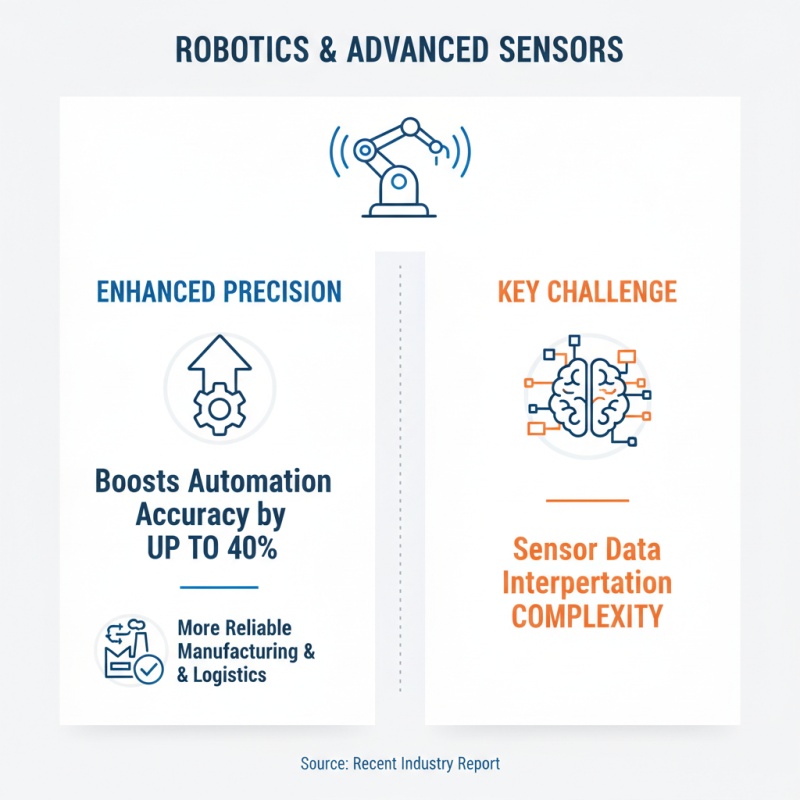
In the realm of robotics, sensor technologies play a crucial role. Advanced sensors enhance the precision of robotic operations significantly. A recent industry report states that integrating sensors can boost automation accuracy by up to 40%. This increase leads to more reliable outcomes in manufacturing and logistics. However, the complexity of sensor data interpretation remains a challenge.
Implementing sensors is not without obstacles. For instance, calibration is often an iterative process. Many organizations overlook this step, leading to subpar performance. Additionally, sensor redundancy can cause confusion. More sensors do not always equate to better results. The balance between number and quality is delicate. Optimizing this can lead to better data acquisition.
Furthermore, real-time data processing is essential. The report highlighted that 70% of robotic failures stem from inadequate data analysis. Improving systems requires not just better sensors but also smarter algorithms. This ensures robots can adapt to varied situations. The push for streamlined operations must consider these factors to enhance robotic efficiency.
Robust Cybersecurity Measures for Securing Automated Robotic Systems
Robotic systems are becoming more common in automated environments. However, with this rise, cybersecurity vulnerabilities are a major concern. Automated robots often rely on open networks, making them susceptible to attacks. Malicious actors may exploit weak security protocols to gain control over these systems. This can lead to data leaks or operational disruptions. A breach can halt factory lines or impact service delivery.
Implementing robust cybersecurity measures is essential. Regular software updates are a start, but are they enough? Strong encryption techniques can protect data in transit. Firewalls should be utilized to filter unwanted access. Intrusion detection systems can alert operators to suspicious activities. Still, reliance on technology alone isn't sufficient. Regular audits and employee training are necessary to ensure awareness of potential threats.
Combining human oversight with advanced security solutions is vital. Each robotic system should undergo thorough security assessments. This process can identify weaknesses before they are exploited. Cybersecurity needs to be an ongoing effort, not a one-time fix. Automated systems are only as strong as their weakest link. Investing in cybersecurity measures may be challenging, but it is crucial for future robotics.
Evaluating the Impact of Human-Robot Collaboration on Productivity
Human-robot collaboration is transforming industries. Recent studies show that businesses embracing these systems see a productivity boost ranging between 25% and 40%. In warehouses, robots and humans work side by side. This partnership enhances efficiency and speeds up operations. However, the integration is not always seamless.
Challenges remain. Employees may feel threatened by robotic co-workers. A survey indicated that 35% of workers worry about job security. This fear can diminish morale. It’s essential to focus on training. Upskilling teams ensures they can work effectively with robots. The goal is to create a synergistic environment.
Data from industry reports suggests that companies with robust training programs see a 60% improvement in collaboration outcomes. However, some organizations struggle to provide adequate support. It’s crucial to reflect on these shortcomings. Investing in human factors is just as vital as robotic enhancements. Balancing technology with human input is key for long-term success.
2026 How to Enhance Robotic Systems for Improved Automation? - Evaluating the Impact of Human-Robot Collaboration on Productivity
| Dimension |
Metric |
Value |
Notes |
| Productivity |
Output per Hour |
150 units |
Increase due to joint operations |
| Worker Satisfaction |
Satisfaction Rating |
85% |
Improved collaboration |
| Error Rate |
Errors per 1000 Units |
2 |
Reduced with robotic assistance |
| Cycle Time |
Average Cycle Time |
30 seconds |
Efficiency improvement |
| Training Time |
Average Training Duration |
10 hours |
Less training needed for workers |