Top Tips for Effective Robotic Grinding Techniques?
Robotic grinding has emerged as a vital technology in the manufacturing industry. It enhances precision and efficiency in surface finishing processes. According to a recent report by MarketsandMarkets, the robotic automation market is set to reach $73 billion by 2026, with grinding systems playing a critical role in this growth.
Implementing robotic grinding techniques can drastically reduce production time while improving quality control. Industry leaders have noted a 30% increase in productivity when utilizing robotic systems. However, many organizations still face challenges in integrating these advanced solutions. Factors such as high initial costs and complexity can deter companies from adopting robotic grinding.
Success in robotic grinding requires a thorough understanding of various factors, including tool selection and programming. It’s essential to continuously evaluate the performance of robotic systems. Regular assessments can highlight areas needing improvement and foster innovation. Seeking feedback from operators and engineers can guide future developments. Embracing an adaptable mindset will lead to better outcomes in robotic grinding processes.
Overview of Robotic Grinding in Industrial Applications
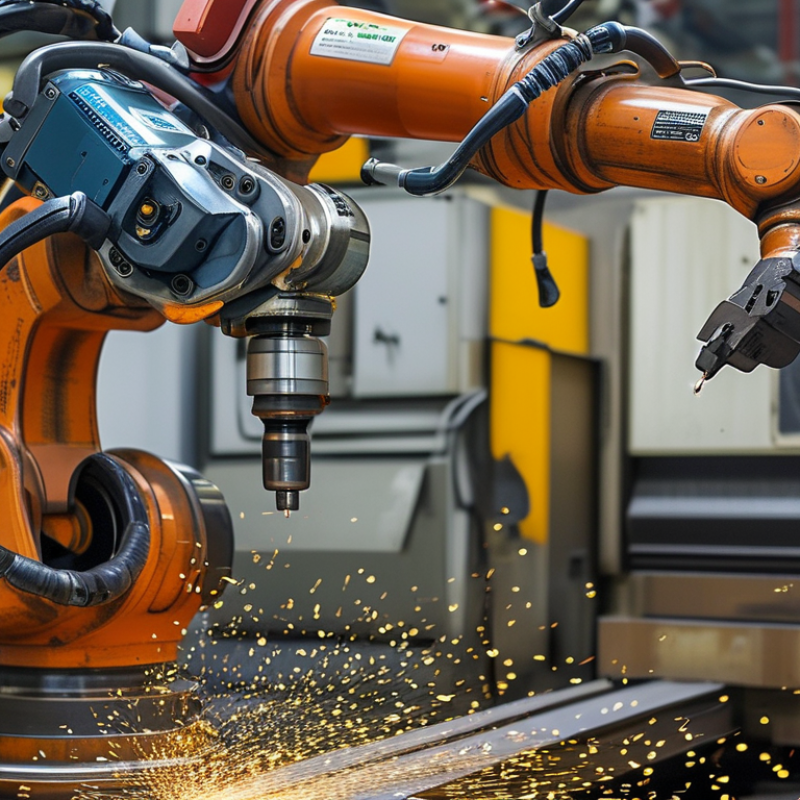
Robotic grinding has transformed industrial applications by increasing both precision and efficiency. This technology streamlines processes such as metal shaping, surface finishing, and weld removal. With robots performing repetitive tasks, human operators can focus on complex and strategic operations. The integration of robotic systems allows for consistent quality across products, which is vital in competitive markets.
In practice, robotic grinding involves programming robots to follow specific paths and apply varying pressure on surfaces. Operators must monitor these systems, ensuring they adapt to material changes. Despite the advancements, challenges remain. For instance, robots may struggle with intricate designs or may require frequent calibration. The interface between human intuition and machine consistency often requires reflection and adjustment.
Adopting robotic grinding techniques requires investment in training and technology. Employees must learn to interact with these machines effectively. A lack of understanding can lead to mistakes or inefficiencies. As industries embrace automation, the balance between human and robotic collaboration becomes crucial for achieving optimal results.
Key Factors Influencing Robotic Grinding Efficiency
Robotic grinding is becoming increasingly vital in manufacturing industries. The efficiency of these systems is not just about the technology; it involves several key factors. One major aspect is the programming of the robotic system. Accurate and precise programming can significantly impact grinding outcomes. An improperly programmed robot may generate inconsistent results. This inconsistency can lead to product defects, which in turn affects overall productivity.
Another critical factor is the selection of grinding tools. Choosing the right type of abrasive material for the job is essential. Different materials demand different grinding techniques. Not every tool is suitable for every task. In many cases, operators may overlook the condition of grinding wheels. Worn-out tools can reduce efficiency and quality. Regular maintenance and timely replacement of tools can make a considerable difference.
The environment where grinding occurs also plays a role. Dust and debris can interfere with operations. A clean workspace allows machines to perform optimally. Additionally, monitoring the temperature and humidity levels in the workspace is crucial. These factors influence the grinding process and can lead to unexpected challenges. Robots perform best under stable conditions. Adapting to these elements is essential for achieving maximum efficiency.
Top Tips for Effective Robotic Grinding Techniques
The following chart illustrates the key factors influencing robotic grinding efficiency, comparing their impact based on a scale from 1 to 10.
Best Practices for Programming Robotic Grinding Paths
When programming robotic grinding paths, attention to detail is crucial. Start by analyzing the part geometry thoroughly. This helps in determining the optimal path that the robot should follow. Utilize 3D modeling software to visualize the grinding process. This can prevent potential errors before the grinding begins. Pay close attention to the speed settings. Too fast may result in poor finishes, while too slow can lead to inefficiency.
Path optimization is an ongoing process. After initial programming, conduct test runs. Evaluate the results and adjust the paths accordingly. Sometimes, the first attempt may not yield the best result. It’s essential to remain open to refining your approach. Keep track of any issues that arise during these trials. Documenting these observations can provide valuable insights for future projects.
Always consider the capabilities of your robot. Different models have varying strengths and limitations. Knowing these details can help tailor your programming strategy more effectively. Remember to prioritize safety throughout. Ensuring that grinding locations are clear and secure can prevent accidents. Striving for continuous improvement in programming will ultimately lead to better outcomes in robotic grinding.
Types of Abrasive Materials for Optimal Grinding Results
Choosing the right abrasive material is essential for effective robotic grinding. Different materials yield different results, impacting efficiency and quality.
Aluminum oxide is a popular choice for general grinding. It offers good durability and is suitable for several metals. However, it may not be the best option for every application.
Ceramic abrasives provide a higher removal rate. They are particularly effective on tough materials. Yet, they may wear down faster than other options in less demanding tasks. This can lead to inefficiencies, especially if not monitored closely.
Silicon carbide is another alternative. It works well on hard, brittle materials, like glass or ceramics. However, its fragility can limit its use in certain heavy-duty applications. Understanding these nuances is crucial for optimal results.
It's important to assess the specific needs of each project before selecting an abrasive material. This way, you can prevent costly errors later on.
Common Challenges and Solutions in Robotic Grinding Techniques
Robotic grinding offers precision and efficiency, but it comes with challenges. One common challenge is inconsistent surface finish. Varying material hardness can lead to uneven grinding outcomes. Operators must monitor their equipment closely. Adjusting the grinding parameters frequently helps mitigate this issue. Regular calibration ensures uniformity across projects.
Another obstacle is the complexity of programming robotic arms. Achieving the perfect angle and pressure requires expertise. Often, operators face a steep learning curve. Training sessions can bridge this gap, allowing teams to optimize their processes. It's crucial to document each grinding setup. This documentation allows teams to replicate successful techniques over time.
Additionally, wear and tear of grinding tools can affect performance. Operators should regularly inspect tools for degradation. Replacing worn components promptly saves time and reduces defects. Reflection on past projects can reveal insights into equipment longevity. Embracing these challenges fosters an environment of continuous improvement in robotic grinding processes.