How to Choose FANUC Automation for Global Factories?
Choosing fanuc automation for global factories requires more than comparing robot payloads or controller prices. A suitable system must fit production goals, workforce skills, plant layouts, and regional support realities. In a high-volume automotive line, repeatability and cycle time may dominate decisions. In food, electronics, or medical-device plants, cleanability, traceability, and gentle handling may matter more. The right choice is contextual. It is not always the newest model.
Experienced engineering teams usually begin with the process. They map takt time, reach, payload, tooling, safety zones, changeovers, and maintenance access. A robot that performs well in a demonstration may struggle beside a narrow conveyor or during frequent product changes. That detail matters. Teams should also review controller compatibility, programming resources, spare-parts access, training, and integrator capability in each country. Global consistency helps, but local technicians still need practical support.
A credible evaluation should use documented specifications, factory trials, risk assessments, and references from comparable operations. Site visits can reveal realities brochures miss: dust near a joint, glare on a vision camera, or a difficult cable route. These observations strengthen evidence and reduce expensive surprises. Yet no vendor or platform removes every operational risk. FANUC solutions may require thoughtful integration, disciplined maintenance, and investment in people. Assuming otherwise is a weak starting point.
The selection process should compare total lifecycle value, not only purchase price. Consider uptime, energy use, software licenses, tooling, validation, cybersecurity controls, service response, and future expansion. A phased pilot can test the concept before multiple plants adopt it. Results should be measured honestly, including failures and operator feedback. That approach makes fanuc automation a reasoned global strategy rather than a branding decision.
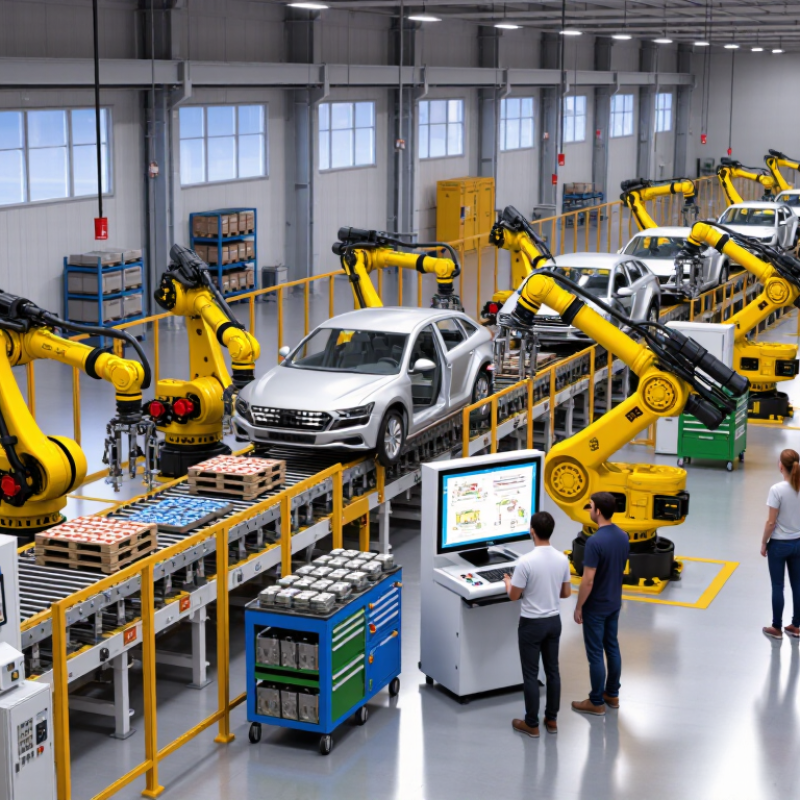
Understanding FANUC Automation Systems and Their Factory Applications
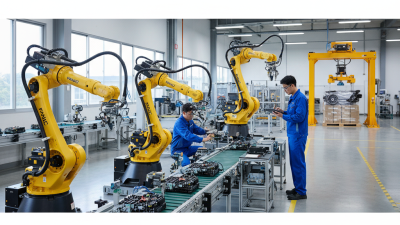
Industrial automation systems combine robotic arms, controllers, sensors, safety devices, and production software. Their value depends on how well these elements work together on the factory floor. In factory assessments, I examine cycle time, payload, reach, accuracy, and maintenance access before recommending a system. A fast robot is not automatically the best choice.
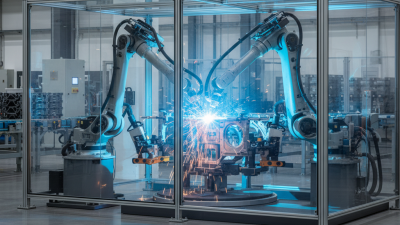
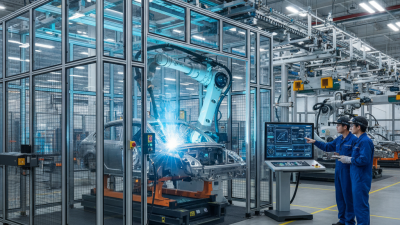
Factory applications vary widely. Assembly cells need repeatable motion and stable tooling. Welding areas require precise paths, controlled heat, and reliable fume management. Packaging lines often prioritize speed, vision inspection, and quick product changeovers. Material-handling systems need accurate positioning and clear separation between people and moving equipment. The surrounding layout matters as much as the robot itself.
Keep it practical.
A capable controller can connect production data, error codes, and preventive maintenance schedules. This helps technicians identify recurring faults before they stop a shift. Training also matters. Operators should understand safe recovery procedures, while engineers need access to accurate program backups and electrical documentation. I have seen projects fail because spare parts were ignored during planning. That mistake is easy to make, but expensive later.
Factory conditions can expose hidden weaknesses. Dust, vibration, temperature changes, and inconsistent workpieces may reduce performance. Testing with real materials is more reliable than relying only on simulations. Even then, the plan may remain imperfect. A pilot cell, measured results, and regular operator feedback can reveal problems early.
How to Choose Automation Systems for Global Factories
The chart compares common factory applications using a practical engineering score from 1 to 5. Higher scores indicate stronger suitability for automation based on repeatability requirements, cycle-time pressure, payload consistency, and integration readiness. The scores are comparative engineering assessments, not market-share or company-performance data.
Assessing Production Needs, Processes, and Automation Goals
Choosing automation for global factories begins with production reality, not a catalog. Map product variants, hourly demand, takt time, changeover frequency, and defect patterns. A line producing 18 assemblies per minute needs a different architecture from a low-volume cell. Record operator motions, material travel, stoppage causes, and inspection points. Small delays often expose larger process weaknesses.
Review each process for stability and variation. Repetitive loading, welding, dispensing, and palletizing may suit robotic automation. Manual adjustment may still be safer for delicate parts or frequent design changes. Define measurable goals, such as a 15% cycle-time reduction, fewer handling injuries, or stable first-pass yield above 98%. Include maintenance staff early. They understand noise, dust, access limits, and recurring faults better than a remote design team.
A practical assessment should include floor trials, digital cycle-time studies, and a controlled pilot cell. Test grippers with oily, warm, or slightly misaligned parts. Check recovery procedures after power loss or communication faults. Global deployment also requires local training, spare-part planning, language support, and consistent safety validation. One pilot I reviewed met its speed target but created awkward operator access. That result was useful, though disappointing. The layout needed revision before expansion. Automation goals should remain adjustable when real production reveals assumptions that looked correct on paper.
Comparing FANUC Robots, Controllers, and Integrated Solutions
Choosing industrial automation for global factories requires more than comparing robot payloads. The robot must match the task, floor space, cycle time, and working environment. A six-axis model may suit welding, while a compact unit may handle assembly beside a conveyor. Payload calculations should include grippers, cables, and product movement. Small errors here create expensive downtime.
Controllers deserve equal attention. Compare motion response, programming tools, network compatibility, safety functions, and diagnostic access. A strong controller can coordinate robots, vision systems, conveyors, and external axes without adding unnecessary hardware. Technicians should see alarms clearly and restore production quickly. Remote monitoring can help, but local service skills still matter. Connectivity is useful only when teams can manage it securely.
Integrated solutions reduce engineering gaps between mechanical, electrical, and software teams. They may include robots, controllers, vision, tooling, simulation, training, and maintenance support. This approach often improves installation consistency across several countries. However, integration can also hide weak assumptions. My first equipment comparison focused too heavily on robot speed and missed changeover time. That mistake affected operators more than expected. Ask for a live cycle demonstration using real parts. Test recovery after a fault, not only normal production. Review spare-part access, language support, and technician training before approving the design. Some projects still need separate components for flexibility, even when a complete package appears simpler.
Planning Deployment, Workforce Training, and Long-Term Support
Choosing industrial automation for global factories requires more than comparing robot specifications.
The deployment plan should begin with a site survey, including floor space, power quality, network access, material flow, and local safety requirements. Record actual cycle times from production, not estimates from a spreadsheet. A small mismatch can create hours of weekly downtime.
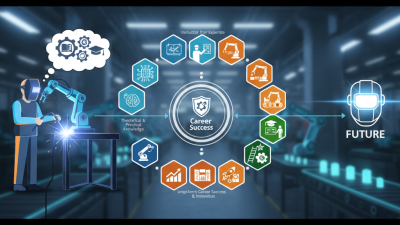
Workforce training needs several layers.
Operators should practice safe startup, routine recovery, and basic fault reporting. Maintenance technicians need hands-on sessions with sensors, controllers, tooling, and backup procedures. Use local languages where possible, and provide short guides beside the equipment. Training should continue after launch. New employees often arrive months later, when the original instructors are unavailable. Our first rollout underestimated this issue.
Long-term support should be designed before installation.
Keep a controlled list of critical spare parts, approved software versions, and equipment service records. Define response times for remote diagnosis, on-site repair, and replacement components. Regional support partners can reduce delays, but their skills should be verified through practical assessments. Schedule quarterly performance reviews using downtime, recovery time, quality, and training data. Some plants may also need offline procedures when connectivity is limited. Perfect deployment plans rarely survive real production. Leave room for adjustment, document every change, and invite technicians to challenge assumptions.