How to Choose the Best Robotic Process Automation Solutions for Your Business?
Choosing the right robotic process automation solutions can transform your business operations. With many options available, identifying what fits your needs is crucial. The best solutions streamline tasks, reduce errors, and enhance productivity. However, making the right choice isn’t always straightforward.
Understanding your specific requirements helps in narrowing down choices. Consider solutions that align with your workflow. Evaluate their ease of integration with existing systems. Look for vendors with proven expertise and experience. A reliable partner should support you beyond implementation. This ensures long-term success.
Mistakes can happen during this process. Businesses often overlook the importance of ongoing support and scalability. It's essential to choose solutions that grow with your company. Reflecting on these factors helps you make informed decisions for your future.
Understanding the Basics of Robotic Process Automation (RPA)
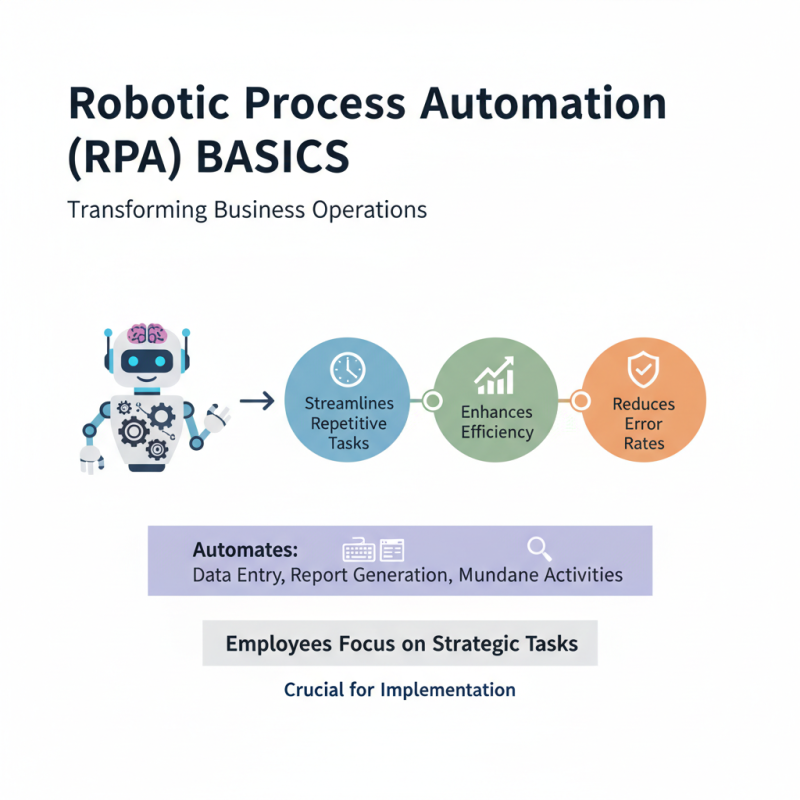
Robotic Process Automation (RPA) is transforming how businesses operate. It streamlines repetitive tasks, enhances efficiency, and reduces error rates. RPA tools automate mundane activities, such as data entry and report generation. This allows employees to focus on more strategic tasks. Understanding RPA basics is crucial for any organization considering its implementation.
Evaluating the right RPA solution starts with assessing your business processes. Identify which tasks consume significant time. Look for processes with clear rules and high transaction volumes. Such tasks are ideal candidates for automation. The goal is to increase productivity without overwhelming your teams.
Tips: Start small. Test RPA in a single department before a widespread rollout. Gather feedback and adjust your approach. Engaging employees in the planning phase can foster acceptance. Remember, not all processes fit RPA. Some may require human insight that software cannot replicate. Analyze ongoing results and refine your strategy regularly. This approach ensures that you maximize the benefits of automation while remaining aware of its limitations.
Identifying Business Processes Suitable for Automation
Identifying suitable business processes for automation is a crucial step in implementing robotic process automation (RPA). Companies often find success in automating repetitive tasks. Consider processes that have clear rules and structured data. Invoicing, payroll, and data entry are good examples. These tasks require high accuracy and consume significant time and resources.
Beyond routine tasks, explore areas with high error rates. If your team spends hours correcting mistakes, automation may be the solution. Look for processes that incur delays, causing frustration among employees and clients. Customer service inquiries can often be automated, freeing up staff for more complex interactions.
Not every process is a candidate for RPA, though. Some workflows demand creative thinking and human touch that machines cannot replicate. Also, poorly designed processes may not yield the expected benefits when automated. Reflecting on how processes can improve will ensure a better fit for automation. Analyze workflows regularly to adapt to changes in the business landscape. It’s a continuous journey, and finding the right processes takes time and careful consideration.
How to Choose the Best Robotic Process Automation Solutions for Your Business? - Identifying Business Processes Suitable for Automation
| Business Process |
Automation Suitability |
Estimated Time Savings (%) |
Frequency of Task |
Complexity Level |
| Invoice Processing |
High |
80% |
Daily |
Medium |
| Customer Data Entry |
High |
75% |
Weekly |
Low |
| Report Generation |
Medium |
65% |
Monthly |
High |
| Order Management |
High |
85% |
Daily |
Medium |
| Employee Onboarding |
Medium |
70% |
Quarterly |
High |
Evaluating Key Features of RPA Solutions
When evaluating robotic process automation (RPA) solutions, focus on key features that align with your business needs. A user-friendly interface is vital. Teams should navigate the software easily without extensive training. Consider the scalability of the solution. As your business grows, the RPA tool should adapt and manage increasing workloads effectively.
Integration capabilities are crucial. The best RPA solutions should work seamlessly with existing systems and applications. This ensures a smooth workflow and reduces the need for numerous adjustments. Security features cannot be overlooked. Your RPA solution should comply with industry standards to protect sensitive data.
Tip: Assess the level of support and training provided. A reliable vendor offers comprehensive resources to help you maximize the RPA tool’s potential. Solicit feedback from employees who will interact with the system. Their insights reveal practical challenges and improvements. Lastly, pilot the RPA tool on a small project before a full-scale rollout. This step helps identify any shortcomings early on.
Assessing Vendor Reputation and Support Services
When choosing robotic process automation (RPA) solutions, vendor reputation plays a crucial role. A company’s reputation can indicate reliability and the quality of service provided. Research vendors online. Look for reviews on third-party sites. Understand how other businesses perceive their solutions. Transparent communication from the vendor also reflects their credibility.
Tips: Establish contact with current users. Ask about their experiences and challenges. Their insights can illuminate potential pitfalls.
Support services are vital for effective RPA implementation. Evaluate the vendor's customer support. Timely assistance can significantly reduce downtime. Make sure they offer comprehensive training for your team. Such preparation ensures a smooth transition.
Tips: Assess the availability of live support. Check if they provide dedicated account managers. A personalized approach can greatly enhance support quality. Consider vendors that prioritize ongoing maintenance; continuous improvement is key.
Assessment of Robotic Process Automation Solutions
Estimating Costs and Return on Investment for RPA Implementation
When considering robotic process automation (RPA) implementation, estimating costs and potential returns is crucial. According to a recent report by Gartner, organizations can expect to see a 20-40% reduction in operational costs within the first year of deploying RPA solutions. However, initial investment costs can vary significantly, often ranging from $25,000 to $100,000 per process, depending on complexity and scale.
Evaluating the return on investment (ROI) is equally important. A study by McKinsey highlights that many companies achieve an ROI of over 500% within three years of adopting RPA. This remarkable figure showcases the efficiency gains and productivity improvements that automation brings. Yet, many businesses overlook hidden costs, such as employee training and ongoing maintenance.
Tips: Ensure to account for scalability when estimating costs. Choose solutions that can easily expand with your business needs. Monitor performance metrics regularly to assess true ROI. Regular reflection on the efficiency of implemented RPA can inform necessary adjustments to maximize benefits.