2026 How to Build a Robot Machine for Home Automation?
As smart home technology evolves, the demand for a robot machine in home automation surges. According to a recent report by Markets and Markets, the home automation market is projected to grow from $80 billion in 2020 to over $150 billion by 2026. This rapid advancement indicates that more household tasks could soon be handled by robots.
Robot machines can streamline daily chores, from vacuuming to managing energy consumption. For example, an automated vacuum can save users hours each week. However, the integration of these devices is not always flawless. Challenges like connectivity issues and compatibility with existing systems often arise. Consumers may face hurdles in setup and operation, which can deter some from adopting this technology.
Understanding how to build an effective robot machine is crucial. A guided approach to design and programming will help overcome common barriers. On the other hand, continual updates and user feedback can lead to better, more responsive devices.
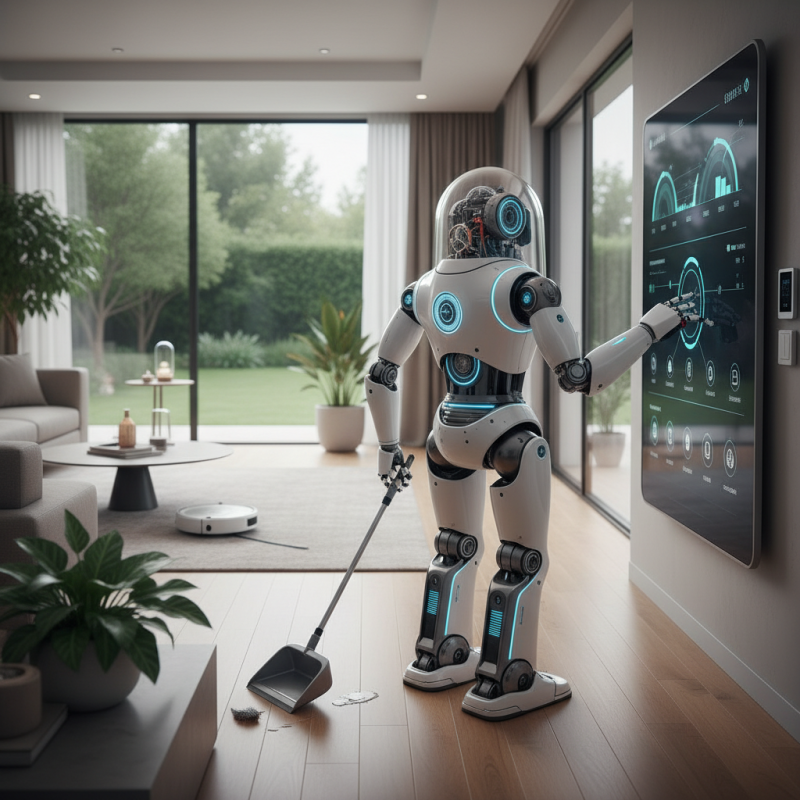
Understanding Home Automation and Its Benefits
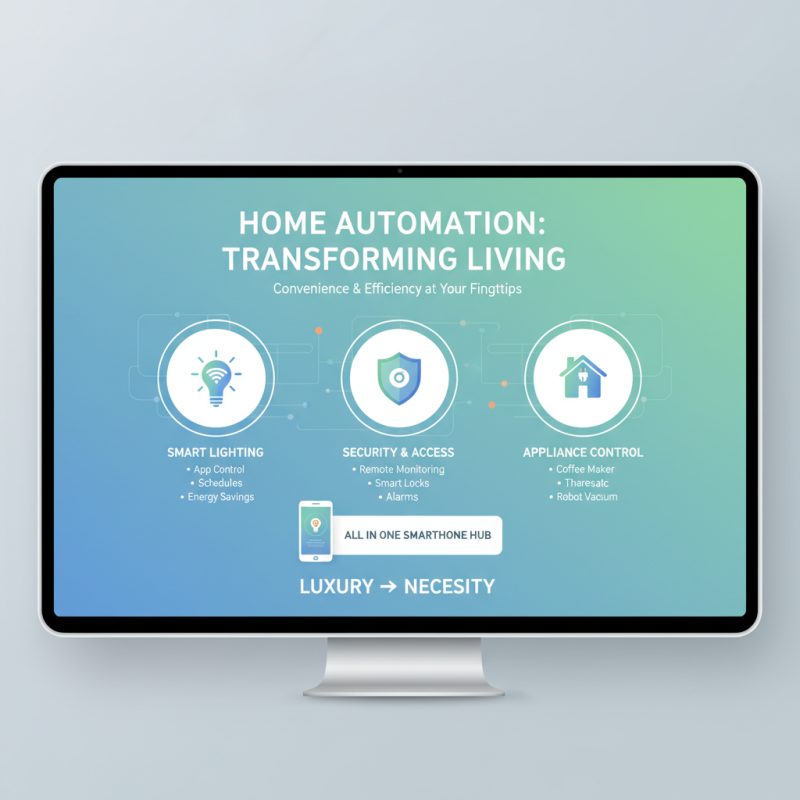
Home automation is transforming how we live. It enhances daily life with convenience and efficiency. Imagine controlling lights, security, and appliances right from your smartphone. This technology is not just a luxury; it's becoming a necessity.
The benefits are numerous. Energy savings are significant when automated systems optimize usage. Security systems can alert homeowners instantaneously. Automation can even assist those with mobility challenges, providing greater independence. While these systems are incredibly useful, they come with challenges. Integration can be tricky, and not every device works seamlessly with others.
Privacy is another concern. With devices constantly collecting data, safeguarding personal information is crucial. Users must have a clear understanding of their systems. The learning curve might feel steep for some, yet the rewards can outweigh the hurdles. With careful planning, home automation can truly enhance living experiences.
Essential Components for Building a Robot Machine
When building a robot machine for home automation, essential components are vital. Start with a microcontroller. This is the brain of your robot. It processes inputs and controls outputs. Choose a versatile model that can handle various tasks.
Next, consider motors. Servo and DC motors will help with movement. They provide flexibility for different structures. Think about the power source. Batteries are common, but consider solar options for sustainability.
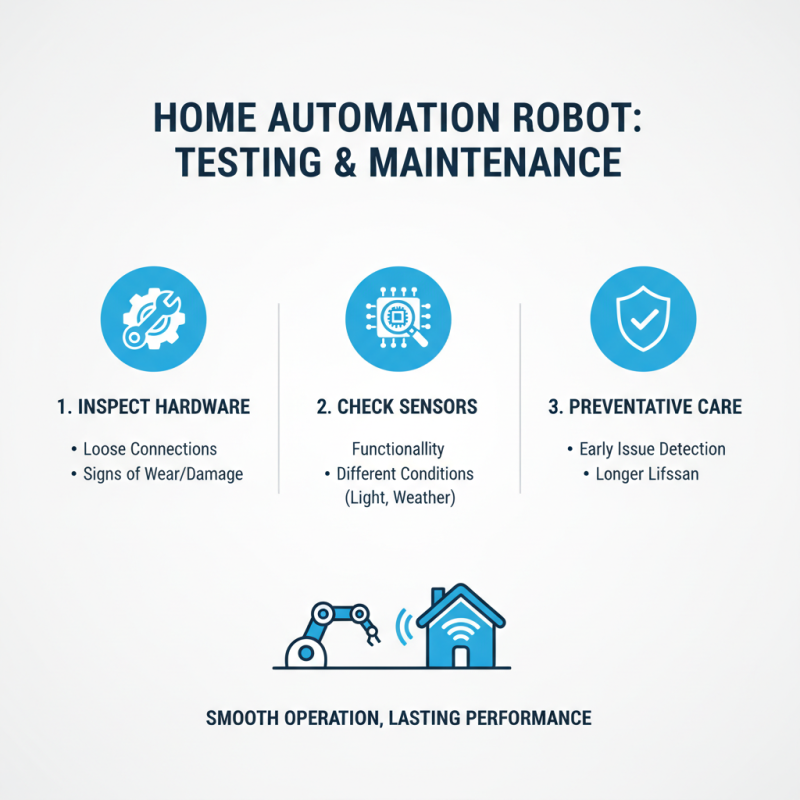
Sensors also play a crucial role. These allow the robot to interact with its environment. Proximity sensors can detect obstacles. Cameras can help with navigation. However, integrating these components is not always easy. You may face issues with wiring or coding. It's important to test each part thoroughly. A successful project often requires multiple iterations. Embrace the challenges and learn from mistakes as you build your home automation robot.
Step-by-Step Guide to Designing Your Robot Machine
Designing your own robot machine for home automation can be an exciting project. The global home automation market is projected to reach $174 billion by 2025. This rapid growth indicates a rising interest in smart technologies. But creating a robot is not always as straightforward as it sounds.
Start with a clear vision. What tasks do you want your robot to perform? Consider daily chores like vacuuming or lawn mowing. These features can enhance convenience. However, remember that each task requires different sensors and algorithms. Research shows that over 50% of DIY projects fail due to unclear objectives. Planning helps, but flexibility is crucial.
Next, focus on integrating hardware and software. Arduino, Raspberry Pi, and various sensors are popular among hobbyists. Yet, programming can be challenging. Partial knowledge in coding often leads to bugs and malfunctions. The frustration can be real, but it's part of the learning process. Test iteratively. This approach allows you to refine the robot's capabilities over time, even if initial attempts are not perfect. You have the chance to innovate within your own parameters.
Programming Basics for Home Automation Robots
Building a home automation robot can be an exciting project. Understanding programming basics is crucial for this task. You should start by learning Python or Java. These languages are user-friendly and widely used in robotics.
Tips: Start with simple tasks. Control lights or fans using basic scripts. Gradually increase complexity. This approach helps you learn without feeling overwhelmed.
Focus on sensors and actuators. They are essential for your robot's functionality. Sensors detect environmental changes. Actuators perform physical actions. You might encounter challenges, like incorrect sensor readings. Reflect on what went wrong. Debugging your code is part of the learning process.
Tips: Keep your code organized. Comment on challenging sections. It will help others understand your work and aid your future self. Experiment with different sensor configurations. Adjust settings based on real-time feedback. Every trial can lead to valuable insights.