10 Best EV Charging Stations for Global Buyers?
Choosing the right Charging Station is rarely as simple as comparing advertised power. Global buyers face different electrical systems, connector standards, climates, installation rules, and charging habits. A compact home unit may suit a London townhouse, while a weather-resistant commercial model may better serve a fleet in Singapore or Canada. Cable length matters too. A short cable can turn a convenient installation into a daily frustration.
This guide examines ten leading EV charging stations through practical ownership needs, not marketing claims alone. We consider charging speed, compatibility, safety certifications, smart features, app reliability, warranty coverage, and technical support. Installation requirements also deserve attention, especially for older buildings with limited electrical capacity. Some models offer excellent software but weaker regional support. Others feel less polished yet deliver dependable hardware for years. No single station wins everywhere.
Real-world experience can challenge the specification sheet. A 22 kW unit may provide little benefit when a property supports only single-phase power. A cheaper charger may become expensive after rewiring, subscription fees, or replacement cables. Weather can expose weaknesses that showroom testing misses. Rain, dust, freezing temperatures, and direct sunlight all affect daily use.
There are trade-offs.
Our recommendations aim to help homeowners, property managers, and fleet operators make informed decisions. We focus on transparent comparisons and practical evidence, while acknowledging that local electricians and authorized suppliers remain essential. Technology changes quickly, and even a strong choice today may need reassessment tomorrow. That uncertainty is worth recognizing before any purchase.
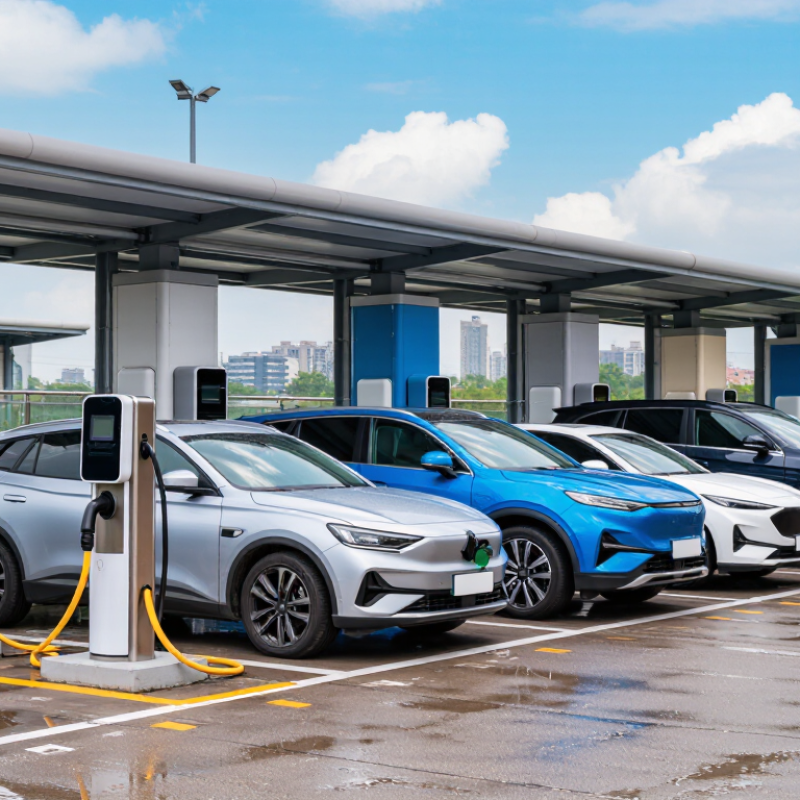
What Makes an EV Charging Station Suitable for Global Buyers
A suitable EV charging station for global buyers must work beyond its home market. Voltage compatibility matters, but it is only one part of the decision. Buyers should check connector standards, charging output, grounding requirements, and regional certification. A station that performs well in a dry garage may struggle in coastal rain or freezing weather. Look for weather protection, safe cable storage, and stable operation across changing temperatures.
Real-world convenience also shapes the best choice. A clear display should support multiple languages, while payment options should suit local users. Reliable internet access, offline charging, and remote monitoring can prevent unnecessary delays. Load balancing is valuable in homes with electric heating or several appliances. However, advertised charging speeds may depend on the vehicle, wiring, and local grid capacity. This detail is often overlooked.
Tips
Ask for installation guidance and written safety documentation. Check whether software updates support your region. Confirm service response times before buying. A long warranty sounds useful, but unclear exclusions can weaken its value. I would also test the cable length against the parking space, because small layout problems become daily frustrations. No station is perfect. The most suitable option balances safety, compatibility, durability, support, and realistic charging needs across different countries.
Key Features to Compare in EV Charging Stations
Choosing among the 10 best EV charging stations requires more than comparing charging speed. The IEA’s Global EV Outlook 2024 reports that public charging points exceeded four million worldwide in 2023. Stock also grew by over 40% that year. Buyers should therefore examine connector compatibility, regional voltage, and software support before purchasing.
Power output remains important, but higher kilowatts are not always better. A 22 kW AC unit may suit workplaces with long parking times. A 150 kW DC station fits highway stops, if the vehicle supports that rate. Check cable length, thermal control, and load balancing. These details affect actual charging time.
Not the headline rating.
Reliability deserves equal attention. U.S. National Electric Vehicle Infrastructure standards use a 97% port-uptime benchmark. Buyers should request uptime records, service response times, and replacement-part availability.
Payment options should include contactless payment and offline recovery. Remote diagnostics can reduce abandoned charging sessions. Security should cover encrypted communication and controlled user access.
Compatibility with OCPP and ISO 15118 can improve future flexibility, but implementation quality varies.
That part is often overlooked.
Weather protection also matters, especially in coastal, dusty, or freezing regions. A clear display, accessible cable, and visible status light can matter more than a premium-looking enclosure. Some comparisons still rely too heavily on laboratory figures. Real-world performance deserves more weight.
Ten Leading EV Charging Stations for Different User Needs
Ten Leading EV Charging Stations for Different User Needs
The International Energy Agency reported over four million public charging points worldwide by the end of 2023. Its Global EV Outlook 2024 also recorded more than 40% growth in public chargers during that year. These figures show demand, but not every station suits every driver. A careful buyer should compare local voltage, connector standards, payment access, weather protection, and service coverage.
For home users, a 7–22 kW AC wallbox offers predictable overnight charging. Apartment residents may prefer a shared AC station with load balancing. Workplace AC units suit eight-hour parking. Curbside AC chargers help drivers without private parking. Destination chargers fit hotels, offices, and shopping areas. A 50 kW DC station serves older vehicles and longer stops. A 150 kW unit suits highway travel and modern batteries. A 250–350 kW charger supports rapid journeys, although the vehicle may not accept that power. Fleet depots need multiple DC outlets, software controls, and scheduled charging. Solar-assisted stations with battery storage can support locations with weak grids.
The U.S. National Renewable Energy Laboratory recorded more than 168,000 public charging ports in its Q4 2023 infrastructure report. Availability still varies sharply by region. A high-power label can mislead. Temperature, battery state, and grid limits reduce real charging speed. That is an easy detail to overlook. Buyers should request uptime records and repair response times, not only impressive power ratings. The cheapest installation may become expensive when electrical upgrades, roaming fees, or idle charges appear later. Practical testing remains essential.
Global Compatibility, Installation, and Safety Considerations
Choosing among the 10 best EV charging stations requires more than comparing charging speed. Global buyers must match the connector, voltage, frequency, and communication protocol with the vehicle. Common connectors differ by region, and a physical fit does not guarantee safe operation. Check whether the station supports the vehicle’s charging standard before purchase. Ask for written electrical specifications.
Installation conditions matter just as much. A qualified electrician should inspect the supply capacity, grounding, cable route, and mounting surface. In older homes, the main panel may lack enough capacity for continuous high-current charging. Outdoor units need weather protection, secure cable storage, and suitable ingress protection. A station near a driveway should also avoid standing water and direct impact from vehicles.
Safety features deserve careful attention. Look for residual-current protection, overheating control, surge protection, and automatic power interruption. Regional certification should match the installation location. A local inspection may be necessary. Do not rely only on an online product sheet. Specifications can be incomplete. No checklist is perfect. In practical assessments, small details often cause problems, such as a short cable, poor Wi-Fi coverage, or a breaker that trips overnight. Buyers should also confirm software access, warranty support, replacement parts, and service availability across borders. A cheaper unit may become expensive when adapters, rewiring, or specialist repairs are added.
How to Choose the Best EV Charging Station for Your Market
How to Choose the Best EV Charging Station for Your Market
Choosing the best EV charging station starts with local driving habits, not maximum power. The International Energy Agency reported nearly 14 million electric car sales in 2023. However, charging demand differs sharply between dense cities, highways, apartments, and rural areas. A 7 kW AC unit may suit overnight home charging. Busy corridors may require reliable DC charging above 100 kW.
Check the local grid before comparing equipment. Confirm voltage, phase requirements, installation capacity, and peak-load limits. NREL’s Electric Vehicle Charging Infrastructure Trends report highlights the importance of charger availability, uptime, and geographic coverage. A station that looks powerful on paper may perform poorly with weak connections or extreme heat. Test performance during cold mornings and crowded evening periods.
Compatibility matters just as much. Select widely supported connectors and communication protocols, then verify local certification and payment requirements. Look for remote diagnostics, load management, weather protection, and replaceable parts. Calculate total ownership costs, including installation, software, electricity, maintenance, and downtime. The IEA expects charging infrastructure needs to expand significantly through 2035, so future capacity deserves attention. Still, oversizing every site wastes capital. No checklist is perfect. Pilot one location, collect usage data, and revise the plan before wider deployment.
